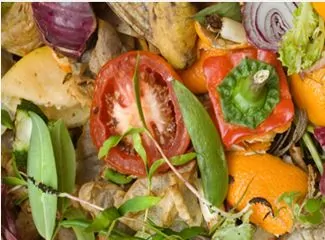
 Organic materials management is of high interest in our industry. This interest is being driven by state and city regulations and other government policies for diversion of organics from disposal facilities. Five states have food waste disposal bans, including Massachusetts, California, Vermont, Connecticut and Rhode Island, which are in various stages of implementation. Some cities have food waste disposal bans, including San Francisco, Seattle, Portland (Oregon), and Austin. Many states and government agencies have organic diversion policies and goals; e.g., USEPA has a 50 percent reduction goal for food waste sent to landfills, nationwide, by 2030.
SCS is helping public and private entities evaluate their organic waste streams and the applicability of established and emerging technologies (e.g., composting, anaerobic digestion) to their specific communities and circumstances. Current and recent project examples include the following:

SCS is actively pursuing work in the organics materials management sector and has a staff devoted to staying current with the latest trends and technologies. SCS can evaluate, design, permit, construct and operate organics facilities, using varying technologies. Compost technologies that SCS is considering for implementation include:
Anaerobic digestion (AD) technologies that SCS is considering for implementation include high solids (dry) or low solids (wet) systems. High solids/dry systems are applicable for food and yard waste. Dry systems for food and yard waste generally use tunnels, which are gas-tight, concrete, garage-like chambers and are loaded using front-end loaders. Low solids/wet systems are applicable for manure, sludges, and liquid industrial waste. Wet systems generally use vessels, which are mixed and are fed using pumps.
Learn more about these SCS services.
Corporate Headquarters