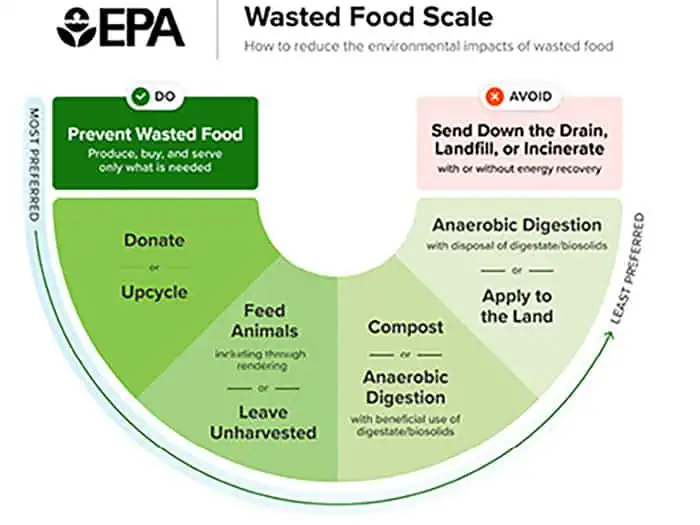
When people think about organic waste recycling, the first images that usually come to mind are green carts, compost piles, or the occasional food scraps pail tucked under a kitchen sink, often accompanied by concerns about smells, pests, and mess. But in cities like Alameda, California, the journey toward strong organics participation begins long before anything reaches a bin. It starts with understanding people, spaces, habits, and the subtle operational details that influence how waste is created in the first place.
That’s the foundation of the SCS Engineers technical assistance approach in the City of Alameda. This multi‑year partnership connects the City with hundreds of local businesses and multifamily properties to increase recycling and organics diversion. With over 163 generators engaged in FY 2024–2025 and resulting improvements equivalent to diverting roughly 205 tons of landfill material per year and increasing organics diversion by 22 tons per year, SCS has shown what’s possible when technical assistance is not just a service, but a relationship.
Over the years, we have established best management practices for conducting technical assistance focused on organic waste:
Starting Upstream: Preventing Waste Before It Starts
One of the defining features of a successful zero-waste technical assistance approach is that it doesn’t wait for waste to become a problem. Instead, outreach begins with conversations about reducing material at the source. Businesses are encouraged to rethink their purchasing habits, explore reusable alternatives, and reduce reliance on single‑use disposables. As shown above, these prevention‑focused strategies not only help improve compliance with organic regulations but also result in cost savings and a reduced environmental footprint.
Public-private partnerships with local organizations that provide reusable dishware have proven effective mechanisms for businesses to reduce overall waste production in the City of Alameda. The City partnered with Rethink Disposable to provide resources, funding, and training to make the switch from disposable foodware to reusables. This upstream focus sets the stage for everything that follows. When businesses generate less waste overall, they’re better positioned to succeed with organics sorting and contamination reduction.
Learning the Story of Each Site
No two Alameda businesses or multifamily properties are the same, which is why the technical assistance process starts with detailed, personalized assessments. During walk‑throughs, staff observe on‑site operations, check container conditions, review service levels, and look closely at sorting practices for each stream.
Sometimes the root cause is simple, like an indoor food scraps bin placed too far from prep stations for kitchen staff to use consistently. Other times, it’s more systemic, such as long‑standing misconceptions that recycling and composting are a farce, or that there is no infrastructure for the organics collection program at all. No matter the challenge, the assessment creates a roadmap for implementing a successful organics program that fits your business or multifamily property’s needs.
Giving People the Tools to Do the Right Thing
Even the most motivated tenants or employees can’t participate successfully in an organics program without the right tools in hand. That’s why the City of Alameda, in partnership with StopWaste and Alameda County Industries, has equipped outreach staff with the necessary tools to provide to businesses free of charge. Tools include:
During site visits, SCS professionals often recommend or provide interior green Slim Jim for high‑traffic hallways, kitchens, and break rooms, to support the collection of organic waste. Making participation in recycling and organics collection programs convenient is crucial to diverting waste from landfill disposal.
At Alameda multifamily properties, the team distributes organics pails and recycling totes directly to residents through door‑to‑door outreach, fostering connections between tenants and the program’s goals.
Right‑Sizing Services to Support Success
Pairing indoor infrastructure changes with the right‑sizing of exterior waste containers is essential for effective material diversion. In many cases, diversion levels are affected by service configurations that have historically favored excess landfill capacity over recycling and organics. These imbalances often result in under‑sized diversion containers, leading to overflow and increased recyclable and compostable material headed to landfill. Right‑sizing service levels provides a collection system that aligns with actual waste generation. When paired with an indoor three-stream collection system and proper sorting education, right‑sized exterior service levels remove barriers to diversion and make correct sorting the default.
Education That Meets People Where They Are
The approach applied in the City of Alameda emphasizes personal, hands‑on engagement. SCS regularly hosts on-site training for employees, managers, and tenants to discuss the new organics infrastructure, proper sorting behaviors, and how their everyday actions influence the program’s success. Training, available in multiple languages, is tailored to the audience: kitchen staff receive practical guidance on handling food scraps, janitorial teams receive instructions on collection and disposal operations, and residents learn through friendly, door‑to‑door conversations. These interactions often include materials such as signage, decals, “What Goes Where” brochures, and food-scrap containers that make sorting easier long after the training ends.
Finding Solutions to Contamination
In busy commercial districts, contamination challenges often come down to convenience and speed. It’s easier, for example, to bag food scraps in plastic to keep things tidy, but that plastic contaminates the organics stream. SCS’s approach to working with businesses is to find alternatives that fit their workflow while remaining compliant. At coffee shops and restaurants throughout the area, staff gradually shifted away from trashing organic waste after personalized training and follow-up visits. For many, the change was reinforced by rethinking indoor bin placement or adding a dedicated organics bin right where the staff needed it.
The City of Alameda’s progress demonstrates how tailored technical assistance transforms organics programs from compliance-driven efforts into sustained partnerships. SCS Engineers combines on‑site expertise, right‑sizing, and ongoing support to help communities achieve lasting diversion outcomes.
 Meet our Author: Laura N. Johnson is a senior project professional at SCS Engineers, based in Pleasanton, California. In her role, she serves as a project manager. She delivers organic-focused technical assistance projects for public agencies, guiding jurisdictions through the planning, implementation, and evaluation of organic waste recycling and waste reduction programs. Laura specializes in California regulatory compliance, including SB 1383, and oversees multidisciplinary teams supporting waste characterization studies, outreach and education efforts, and data-driven assessments to improve diversion and compliance outcomes. She brings extensive experience managing complex projects for cities and counties across California and the Pacific Northwest, with a focus on practical, actionable solutions tailored to local needs.
Additional Zero Waste Resources: