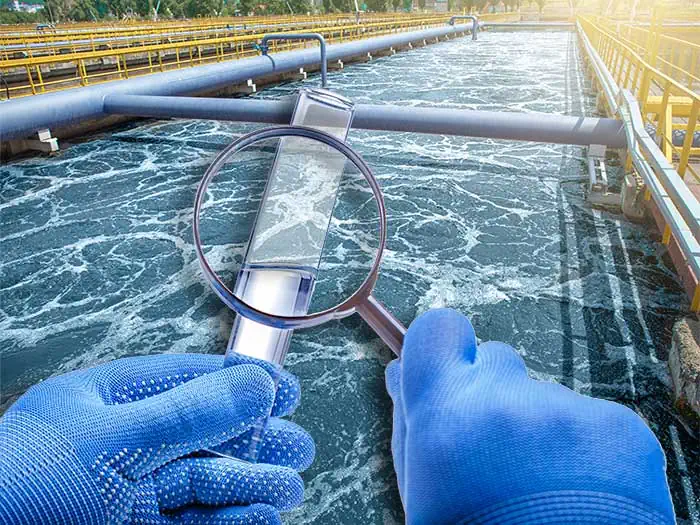
The EPA uses the Safe Drinking Water Act (SDWA) to identify and regulate emerging contaminants in drinking water that pose new risks to public health. Through the Contaminant Candidate List (CCL) and Unregulated Contaminant Monitoring Rule (UCMR 5), the EPA collects data to set future standards (e.g., Maximum Contaminant Levels).
Key Aspects of EPA Emerging Contaminants Actions include:
Emerging contaminants identified under the SDWA CCL and UCMR often have environmental implications that reach far beyond drinking water – e.g., wastewater/leachate, stormwater, environmental assessment and remediation, waste characterization, etc.
EPA recently proposed a list of emerging contaminants for its Sixth Contaminant Candidate List (CCL 6), now open for public comment. Comments must be received on or before June 01, 2026. The draft CCL 6 list includes four chemical groups – microplastics, pharmaceuticals, per- and polyfluoroalkyl substances (PFAS), and disinfection byproducts—as well as 75 chemicals and nine microbial contaminants that may be found in drinking water.
A few additional details:
For additional information regarding the CCL 6 proposal, see the following EPA webpages:
 About the Author: Jeff Marshall, PE, is a Vice President of SCS Engineers and our National Expert on Emerging Contaminants (e.g., PFAS) and Innovative Technologies. He has over four decades of experience with emphasis on environmental chemistry (e.g., hydrogen sulfide generation at MSW landfills), environmental permitting and compliance (e.g., fumigation facilities), hazardous materials/waste management. site assessment/remediation, treatment technologies, and human health risk issues. He is a licensed professional engineer in five states. Contact Jeff or an SCS Engineers expert near you.
Corporate Headquarters