When people think about organic waste recycling, the first images that usually come to mind are green carts, compost piles, or the occasional food scraps pail tucked under a kitchen sink, often accompanied by concerns about smells, pests, and mess. But in cities like Alameda, California, the journey toward strong organics participation begins long before anything reaches a bin. It starts with understanding people, spaces, habits, and the subtle operational details that influence how waste is created in the first place.
That’s the foundation of the SCS Engineers technical assistance approach in the City of Alameda. This multi‑year partnership connects the City with hundreds of local businesses and multifamily properties to increase recycling and organics diversion. With over 163 generators engaged in FY 2024–2025 and resulting improvements equivalent to diverting roughly 205 tons of landfill material per year and increasing organics diversion by 22 tons per year, SCS has shown what’s possible when technical assistance is not just a service, but a relationship.
Over the years, we have established best management practices for conducting technical assistance focused on organic waste:
Starting Upstream: Preventing Waste Before It Starts
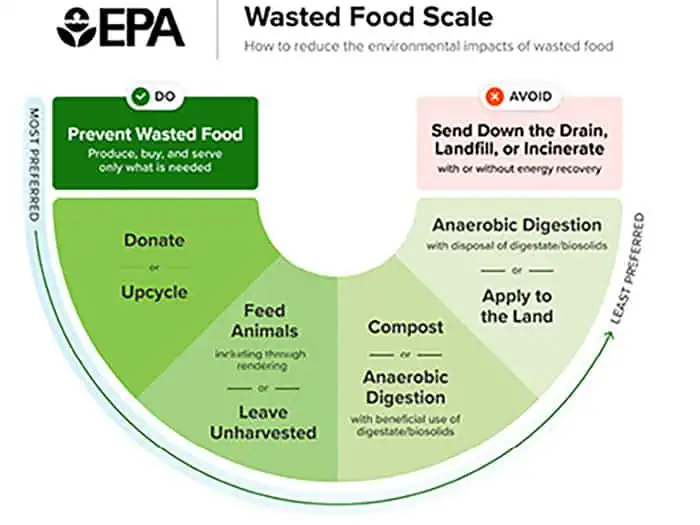
One of the defining features of a successful zero-waste technical assistance approach is that it doesn’t wait for waste to become a problem. Instead, outreach begins with conversations about reducing material at the source. Businesses are encouraged to rethink their purchasing habits, explore reusable alternatives, and reduce reliance on single‑use disposables. As shown above, these prevention‑focused strategies not only help improve compliance with organic regulations but also result in cost savings and a reduced environmental footprint.
Public-private partnerships with local organizations that provide reusable dishware have proven effective mechanisms for businesses to reduce overall waste production in the City of Alameda. The City partnered with Rethink Disposable to provide resources, funding, and training to make the switch from disposable foodware to reusables. This upstream focus sets the stage for everything that follows. When businesses generate less waste overall, they’re better positioned to succeed with organics sorting and contamination reduction.
Learning the Story of Each Site
No two Alameda businesses or multifamily properties are the same, which is why the technical assistance process starts with detailed, personalized assessments. During walk‑throughs, staff observe on‑site operations, check container conditions, review service levels, and look closely at sorting practices for each stream.
Sometimes the root cause is simple, like an indoor food scraps bin placed too far from prep stations for kitchen staff to use consistently. Other times, it’s more systemic, such as long‑standing misconceptions that recycling and composting are a farce, or that there is no infrastructure for the organics collection program at all. No matter the challenge, the assessment creates a roadmap for implementing a successful organics program that fits your business or multifamily property’s needs.
Giving People the Tools to Do the Right Thing
Even the most motivated tenants or employees can’t participate successfully in an organics program without the right tools in hand. That’s why the City of Alameda, in partnership with StopWaste and Alameda County Industries, has equipped outreach staff with the necessary tools to provide to businesses free of charge. Tools include:
During site visits, SCS professionals often recommend or provide interior green Slim Jim for high‑traffic hallways, kitchens, and break rooms, to support the collection of organic waste. Making participation in recycling and organics collection programs convenient is crucial to diverting waste from landfill disposal.
At Alameda multifamily properties, the team distributes organics pails and recycling totes directly to residents through door‑to‑door outreach, fostering connections between tenants and the program’s goals.
Right‑Sizing Services to Support Success
Pairing indoor infrastructure changes with the right‑sizing of exterior waste containers is essential for effective material diversion. In many cases, diversion levels are affected by service configurations that have historically favored excess landfill capacity over recycling and organics. These imbalances often result in under‑sized diversion containers, leading to overflow and increased recyclable and compostable material headed to landfill. Right‑sizing service levels provides a collection system that aligns with actual waste generation. When paired with an indoor three-stream collection system and proper sorting education, right‑sized exterior service levels remove barriers to diversion and make correct sorting the default.
Education That Meets People Where They Are
The approach applied in the City of Alameda emphasizes personal, hands‑on engagement. SCS regularly hosts on-site training for employees, managers, and tenants to discuss the new organics infrastructure, proper sorting behaviors, and how their everyday actions influence the program’s success. Training, available in multiple languages, is tailored to the audience: kitchen staff receive practical guidance on handling food scraps, janitorial teams receive instructions on collection and disposal operations, and residents learn through friendly, door‑to‑door conversations. These interactions often include materials such as signage, decals, “What Goes Where” brochures, and food-scrap containers that make sorting easier long after the training ends.
Finding Solutions to Contamination
In busy commercial districts, contamination challenges often come down to convenience and speed. It’s easier, for example, to bag food scraps in plastic to keep things tidy, but that plastic contaminates the organics stream. SCS’s approach to working with businesses is to find alternatives that fit their workflow while remaining compliant. At coffee shops and restaurants throughout the area, staff gradually shifted away from trashing organic waste after personalized training and follow-up visits. For many, the change was reinforced by rethinking indoor bin placement or adding a dedicated organics bin right where the staff needed it.
The City of Alameda’s progress demonstrates how tailored technical assistance transforms organics programs from compliance-driven efforts into sustained partnerships. SCS Engineers combines on‑site expertise, right‑sizing, and ongoing support to help communities achieve lasting diversion outcomes.
 Meet our Author: Laura N. Johnson is a senior project professional at SCS Engineers, based in Pleasanton, California. In her role, she serves as a project manager. She delivers organic-focused technical assistance projects for public agencies, guiding jurisdictions through the planning, implementation, and evaluation of organic waste recycling and waste reduction programs. Laura specializes in California regulatory compliance, including SB 1383, and oversees multidisciplinary teams supporting waste characterization studies, outreach and education efforts, and data-driven assessments to improve diversion and compliance outcomes. She brings extensive experience managing complex projects for cities and counties across California and the Pacific Northwest, with a focus on practical, actionable solutions tailored to local needs.
Additional Zero Waste Resources:
Meet Catelyn Scholwinski, SMM Director, and Stephanie Watson, SMM Vice Director, during an hour-long webinar where we’ll chat about how they got to where they’re at today, their advice for young professionals, and their predictions for our industry. Come ready to ask questions and get to know who is leading the SWANA SMM Technical Division!
SWANA has Technical Divisions that focus on specific solutions for the waste industry. Sustainable Materials Management (SMM) is a very important one. The Division has an upcoming event that is a great opportunity for young professionals interested in more sustainable reuse, recycling, and resource management.

SCS’s own Kelli Farmer is SWANA’s SMM Young Professional Representative. If you want to speak with the men and women on SCS’s Sustainable Materials Management teams, please get in touch with us at .
SCS Engineers is leading the charge to sustainable materials management through innovative policies, programs, and infrastructure that increase diversion, reduce contamination, recycle more materials, and manage costs. SCS offers comprehensive services to assist in achieving your SMM goals and reducing your carbon footprint. We offer technical expertise and the financial, regulatory, and educational skills to develop cost-effective and sustainable programs.
Meet Catelyn Scholwinski, SMM Director, and Stephanie Watson, SMM Vice Director, during an hour-long webinar where we’ll chat about how they got to where they’re at today, their advice for YPs, and their predictions for our industry. Come ready to ask questions and get to know who is leading the SWANA SMM Technical Division!
SWANA has Technical Divisions that focus on specific solutions for the waste industry. Sustainable Materials Management (SMM) is a very important one. The Division has an upcoming event that is a great opportunity for young professionals interested in more sustainable reuse, recycling, and resource management.
SCS Engineers is leading the charge to sustainable materials management through innovative policies, programs, and infrastructure that increase diversion, reduce contamination, recycle more materials, and manage costs. SCS offers comprehensive services to assist in achieving your SMM goals and reducing your carbon footprint. We offer technical expertise and the financial, regulatory, and educational skills to develop cost-effective and sustainable programs. SCS’s own Kelli Farmer is SWANA’s SMM Young Professional Representative.
If you are interested in an environmental career that can impact climate change for the good – this is it! Many types of positions are open now.
Join SCS Engineers professionals at “REimagine California” the 47th Annual Conference & Tradeshow of the California Resource Recovery Association (CRRA), August 13-16, at the Hyatt Regency San Francisco Airport in Burlingame, CA.
Each year, the CRRA organizes one of the most comprehensive and informative conferences dedicated to recycling and sustainable materials management in California and beyond. The Annual Conference and Tradeshow attracts over 600 individuals annually and showcases some 30 sessions with over 100 industry experts as presenters. The conference includes
This year’s event will be a hybrid, available live as well as online via streaming. All speakers will be presenting live from Burlingame.
Click for more conference details and registration information
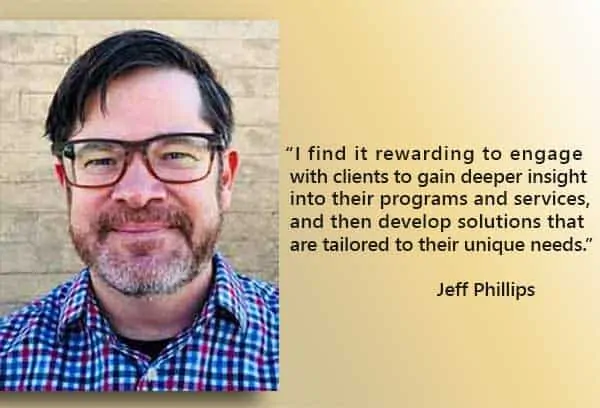
SCS Engineers welcomes Project Manager Jeff Phillips to the Clive, Iowa office. Jeff works with a growing number of solid waste management clients interested in integrating sustainable materials management into their solid waste master plans. The practice is widely known as Integrated Solid Waste Management, ISWM.
Jeff Phillips comes to SCS with over two decades of designing and implementing ISWM programs. His expertise includes a comprehensive list of individual tasks and services, including facilitating strategic planning and consensus-building sessions, performing waste and recycling industry market analyses, developing and presenting comprehensive financial plans to solid waste agencies, identifying, authoring, and managing federal and state grants. He also designs, performs, manages waste characterization analyses, authors and produces videos for training and education purposes, and is involved in community outreach events for solid waste agencies, city councils, and the public.
“Jeff provides innovative approaches to develop and strengthen programs and operations in Iowa,” said Christine Collier, senior project manager. “He fits right into our SCS philosophy of ensuring client success.”
Jeff is an active member of the Solid Waste Association of North America and the Iowa Society of Solid Waste Operations, where he previously served on the Board of Directors and Conference Planning Committee. He earned a Bachelor of Arts, Geography, and Environmental Studies from the University of Iowa.
An American Public Works Association (APWA) publication,
No single waste management approach is suitable for managing all materials and MSW streams in all circumstances. The USEPA hierarchy places emphasis on reducing,
reusing, and recycling as key to sustainable materials management. Citizens and elected officials are often surprised how technically complex solid waste management is, and once aware of the basics they better understand the associated costs. Responsible Solid Waste Management with colorful infographics and easy-to-grasp explanations, helps readers understand solid waste management from beginning to end.
The concept of integrated solid waste management is increasingly being used by states and local governments as they plan for the future. This management practice includes the source reduction of certain MSW streams and the recovery of generated waste for recycling or composting. It also includes environmentally sound management through combustion with energy recovery and landfilling practices that meet current standards or newly emerging waste conversion technologies.
Available on the APWA website or reach Michelle Leonard (co-author) or an MSW engineer nearby contacting SCS Engineers at .
Learn more about Sustainable Materials Management here.
Los Angeles County Public Works – Environmental Programs Division is receiving a 2019 Food Recovery Challenge Award from the United States Environmental Protection Agency – USEPA this year. The national recognition is for the County’s substantial increase in food recovery and sustainable materials management. EPA’s data-driven awards are based on the information submitted in the Sustainable Materials Management – SMM, Data Management System, and reflect percent changes comparing an organization’s data to the previous year’s data.
LA County Public Works serves 88 cities and a population of more than 10 million people. The County is continually pursuing ways to make its communities more resilient by identifying new SMM actions to address greenhouse gases, waste generation, and pollution.
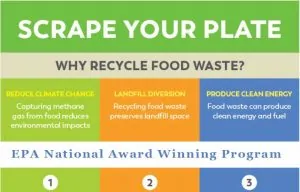 The ‘Scrape Your Plate’ program encouraged the County’s Public Works employees to divert food waste from area landfills through organics recycling. Collecting food in the headquarters cafeteria and dining area, the program quickly expanded to include 20 on-campus breakrooms and special events at field facilities across the County.
Public Works, in collaboration with the Sanitation Districts, made use of the existing anaerobic digestion infrastructure to convert 13,700 pounds of food waste to electricity. Worm composting bins divert an additional 1,200 pounds of food waste and another 340 pounds were source reduced by improved planning by kitchen staff. All of these diversion tactics reduce greenhouse gas emissions.
Getting employees and visitors to separate food waste properly is always a challenge. The project team, including SCS Engineers, significantly reduced cross-contamination by increasing on-site signage and peer-to-peer outreach. Signage, easily updated with user-friendly graphics makes a difference. The team further encourages new social behaviors with an educational video.
Despite the closing of recycling programs in other cities due to the pandemic, LA County Public Works is now expanding its program to recycle other types of organic waste, including food-soiled paper.
Preventing and reducing food waste has a tremendous impact and positive benefits for our nation. Food is a valuable resource. Efforts to reduce food waste and ensure excess food doesn’t go to waste are needed now more than ever. Participants in EPA’s Food Recovery Challenge in 2019 prevented or diverted over 815,000 tons of food from entering landfills or incinerators, saving participants up to $42.3 million in avoided landfill tipping fees. The EPA provides many helpful tools on its website.
Learn more about SCS Engineers’ Sustainable Materials Management and Composting programs at SCSEngineers.com.
 EBJ announced on January 23 that it is honoring SCS Engineers with multiple awards for environmental business achievements, advanced technology, and another for ASP composting project merit. The official awards ceremony takes place during EBJ’s Environmental Industry Summit XVIII in San Diego, California, in March.
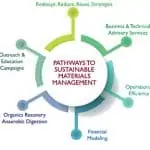
SCS is receiving the Gold Business Achievement Award for a Large Environmental Firm, for outstanding business performance in 2019. We largely attribute our organic growth to our clients interested in Sustainable Materials Management (SMM) and renewable natural gas (RNG) services. Our SMM programs increase our clients’ solid waste management efficiencies, reduce waste, and support sustainable recycling, and our design and design/build facilities convert landfill gas, dairy digester gas, and wastewater treatment plant digester gas to RNG. In addition, SCS’s Geographic & Practice Area Expansion initiative in 2019 enables us to expand our professional engineering and consulting services for liquids management, wastewater treatment, and emerging contaminants from new offices in the South, Central, and Midwest regions of the United States.
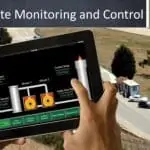 The Information Technology Award for SCS Remote Monitoring and Control® (SCS RMC®) software is especially gratifying. SCS RMC technology helps lower landfill operating costs and maximize gas capture by integrating next-generation supervisory control and data acquisition (SCADA) opportunities such as 3D imaging from drones and virtual reality (VR). Beyond typical SCADA features, our system uses aerial data to compose topographic mapping, 2D images, and 3D renderings. SCS RMC can also incorporate geographic information systems (GIS), thermal, near-infrared, and methane leak detection data. The 3D model in use by San Bernardino County and other clients incorporates a Microsoft HoloLens VR headset that allows executives, facility management, and operators to “walk the site” from their offices, as well as view and control equipment remotely from almost any internet-connected mobile device. The technology integrates with our SCSeTools® platform, in use on over 600 landfills that help facilities continually gauge operational health and spot trends that help determine when and how to invest in infrastructure.
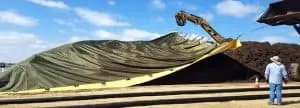
The Environmental Services Division of the city of San Diego, in collaboration with SCS Engineers, is receiving the Composting Project Merit Award in recognition for the composting operation at the Miramar Landfill in San Diego. In collaboration with the City, SCS designed an innovative covered Aerated Static Pile (ASP) composting system that will divert 100,000 tons per year of organic waste from the landfill. The ASP became operational in August 2019 and will compost 40,000 tons per year into useful by-products (and has capacity for an additional 20,000 tons). It provides an enhanced stormwater control system, and will eventually run on renewable energy generated from the landfill. According to the StopWaste.com calculator, the upgrade reduces greenhouse gas emissions by the equivalent of removing 19,015 cars from the road.
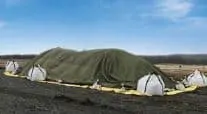
In addition, the recent announcement of SCS’s ASP Composting Pilot Program is making headlines. SCS owns a covered ASP compost system that is mobile and can be set-up on sites within an area of 50 feet by 100 feet, or less. In the covered ASP compost system, process and odor control is pro-active with a shorter composting period. Pilot tests allow waste managers to assess composting and to see if it is the right fit for their situation. The ASP system processes material batches in two months. Additional batches or “recipes” can test in 2-month intervals.
“Managing air, water, and soil pollution prevention are driving state and local regulations,” said Bob Gardner, a Senior Vice President of SCS Engineers. “Offsetting as much of the cost by improving operations, lowering energy consumption, and switching to renewable energy resources is critical to our clients.”
About SCS Engineers
 SCS, an employee-owned environmental consulting and construction firm, is celebrating our 50th year in business. We are producing technologies and programs that lower industrial operating costs and reduce greenhouse gases for private and public clients who are establishing goals to reduce their environmental impact.
Our technologies and programs are finding footholds in the agricultural, industrial, and manufacturing sectors as municipalities and companies aim to reach climate change goals without passing all of the expense to consumers. SCS clients entrust us with the management of more than 35 million metric tons of anthropogenic CO2e greenhouse gases every year. We collect and beneficially use or destroy enough to offset greenhouse gas emissions from 7.4 million passenger cars annually.
Many schools and school districts are prioritizing a shift toward zero waste and sustainability. However, learning to manage material resources on-site in a more sustainable manner presents operational and monetary challenges. Learn the benefits and steps to plan a financially sustainable program from Tracie Bills of SCS Engineers.
Tracie creates realistic approaches which allow for flexibility while maneuvering the unique challenges that occur. She takes you step-by-step through building a successful program and refers to established efforts such as in the City of San Jose that already have established zero waste programs in their schools.
Read the article by clicking here.
Waste360 and the Environmental Research & Education Foundation (EREF) plan to deliver a conference program that is more technical, more innovative and more essential to you than ever before. Get ready, look who’s also back!
See the SCS Engineers roundup of presentations at the Global Waste Management Symposium by clicking here.
Corporate Headquarters