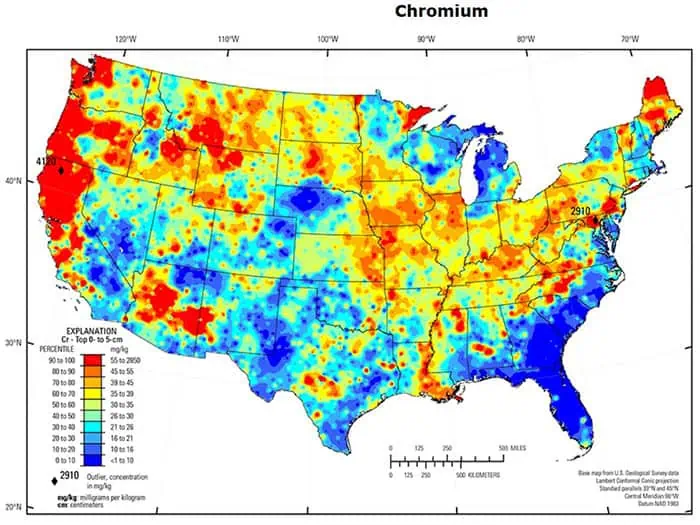
Updated Chromium Toxicity Values and Implications for Soil Cleanup in Florida
Where Does Chromium Come From?
Chromium (Cr) occurs in the Florida environment due to a combination of natural conditions and historical land-use practices. In Florida, chromium is most commonly encountered in agricultural areas because phosphate-based fertilizers are derived from locally mined phosphate rock that naturally contains trace metals, including chromium. Chromium is also associated with solid-waste landfills and filled areas, such as lakefills and reclaimed lands, where materials, including construction debris, treated wood, metals, pigments, plastics, urban fill, and dredged sediments, may contribute chromium to soil and groundwater. In addition, chromium may be present in composts and biosolid-based fertilizers derived from municipal biosolids and organic waste, which are commonly used in Florida landscaping and agricultural applications. Historical use of certain pesticides and herbicides may also represent a minor source of chromium as an impurity in older metal-based formulations.
How is Chromium Regulated in Soil?
In the environment, chromium occurs in two primary oxidation forms: Cr III, which is more stable and less toxic, and Cr VI, which is more mobile and more toxic and is known to be a human carcinogen. While Florida has soil cleanup target levels (SCTLs) for both Cr III and Cr VI, Cr VI is typically used for risk evaluation because it is more conservative. Therefore, Cr VI is used as the default risk driver unless site-specific data demonstrate that chromium is predominantly present in the Cr III form.
In 1998, the U.S. EPA’s Integrated Risk Information System (IRIS) classified Cr VI as a “known human carcinogen by the inhalation route of exposure” based on strong evidence linking inhaled Cr VI to lung cancer in humans. More recently, in August 2024, the EPA released an updated toxicological review for Cr VI, including proposed changes to key toxicity factors.
These toxicity values are widely used by federal, state, and local agencies to develop environmental cleanup standards. In Florida, for example, both the State of Florida and Miami-Dade County rely on IRIS values to set soil cleanup target levels (SCTLs), as outlined in Chapter 62-777, Florida Administrative Code (FAC), and Chapter 24-44(2), Code of Miami-Dade County. If the updated toxicity values are adopted, cleanup standards for chromium will decrease significantly.
What Has Changed?
Two key changes to the toxicity factors include the following:
The updated IRIS assessment proposes an oral CSFo of 0.27 (mg/kg·day)⁻¹, (lifetime exposure, with Age-Dependent Adjustment Factors (ADAF) applied) and an IUR of 0.018 µg/m³ (also ADAF-adjusted). These toxicity factors would be used for land uses that involve childhood exposure (e.g., residential areas, parks). Additionally, the update proposes adult-based values, specifically an oral CSF₀ of 0.16 (mg/kg·day)⁻¹, and an IUR of 0.011 µg/m³. These adult-based values can be used for exposure scenarios that do not include early life (<16 years of age, e.g., commercial/industrial).
Using the updated IURs and oral CSFo, we recalculated the Florida SCTLs; the resulting SCTLs are substantially lower than the current SCTLs:
For comparison, the above estimates assume that all input parameters remain unchanged. However, several exposure parameters, such as body weight, exposure duration, ingestion rate, and the calculated dermal cancer slope factor (based on the adopted oral cancer slope factor), have already been updated by the state. When those updated parameters are applied, the residential SCTL is 4.0 mg/kg, which remains significantly below the current standard.
What Does this Change Mean?
Because of the lower cleanup standards, background studies will be important for both residential and commercial/ industrial sites. Stricter cleanup levels may require engineering or institutional controls, such as deed restrictions or limits on property use, to manage concentrations that cannot be attributed to background conditions.
Although the updates to Chapter 62-777, FAC, and Chapter 24-44 of the Code of Miami-Dade County have not yet reflected the latest CSFO and IUF, it remains crucial to monitor both state and county regulatory changes. Staying up to date allows us and our clients to plan.
Knowing this in advance can make a real difference. For example, if a client has a pending transaction or redevelopment plan, understanding potential changes in cleanup standards can help them expedite efforts to address environmental concerns under current rules, rather than face delays or stricter requirements later.
Beyond transactional planning, this knowledge is also essential for environmental risk assessments. Changes in SCTLs can influence decisions about remediation strategies and resource allocation. In other words, staying informed isn’t just about compliance; it’s about making smarter, proactive decisions that save time, money, and effort in the long run.
The following links will direct you to the proposed toxicological review and additional resources:
 Anabel Rodriguez-Garcia is an environmental scientist with a decade of experience in the sustainable management of soil, heavy metal contamination in soils and organic fertilizers, and in the physical, chemical, and biological characterization of soils, including sample collection and documentation. She serves SCS clients as a senior project professional and is particularly valuable for environmental site assessments. She has worked on projects for government agencies, including the Florida Department of Transportation and Miami-Dade County Regulatory and Economic Resources; public utilities; and the private sector.
 Lisa L. Smith has three decades of experience across a variety of roles in environmental science. Lisa serves SCS clients as a senior technical advisor and expert in risk-based corrective action (RBCA). She has worked as an environmental regulator at the Miami-Dade County Department of Environmental Resources Management (DERM), a risk assessor at a national environmental consulting firm, and a research chemist at the University of Florida.

The Fiscal Year 2026 Brownfields Multipurpose, Assessment, and Cleanup Grant Guidelines are now available (go to Open Solicitations). The application submission deadline is January 28, 2026.
Open Solicitations
FY 2026 Multipurpose, Assessment, and Cleanup Grant Application Resources – The application submission deadline is January 28, 2026.
SCS Engineers will join the 2025 WV Brownfields & Main Street Conference, West Virginia’s top redevelopment event. The conference brings together community leaders, redevelopment professionals, and industry experts to share strategies for brownfields redevelopment and downtown revitalization.
The 2025 WV Brownfields & Main Street Conference marks 20 years since the WV Brownfields Assistance Centers were founded. This year’s program includes workshops, sessions, and networking focused on rural community growth and revitalization.
SCS Engineers looks forward to connecting with peers and advancing redevelopment conversations at the 2025 WV Brownfields & Main Street Conference.
Register by September 2 to secure your spot.
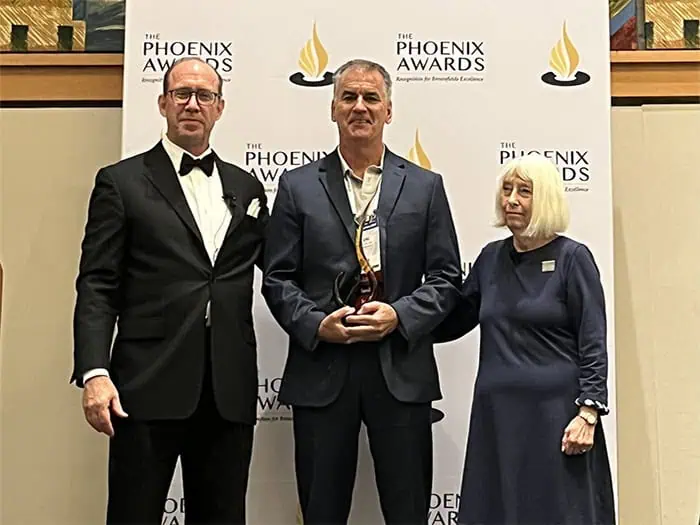
Phoenix Awards reflect the progression of brownfield redevelopment over the past 20+ years by recognizing extraordinary practitioners and projects by the EPA.
SCS Engineers expresses gratitude to IQHQ, the EPA, and the San Diego community for their collective support in achieving a Phoenix Award that features the RaDD project as an exemplary model of innovative environmental remediation and sustainable design, demonstrating how large-scale redevelopment can address environmental challenges while enhancing community quality of life and promoting economic and environmental benefits for future generations.

IQHQ’s RaDD project exemplifies a transformative redevelopment of San Diego’s waterfront, integrating sustainability and environmental stewardship into a life sciences campus. The project involved extensive soil excavation and innovative environmental management to address legacy contamination while promoting economic and community revitalization.
Historic site reclamation: The RaDD project was developed on 15.89 acres of former Navy land reclaimed between 1915 and 1917, involving dredged bay sediments and industrial debris requiring careful environmental management.
Soil management strategy: IQHQ partnered with SCS Engineers to create and implement a rigorous soil management plan, including regulatory collaboration to safely characterize, excavate, and dispose of nearly 800,000 cubic yards of soil, protecting public health during construction.
Innovative contamination treatment: Discovery of 7,000 cubic yards of highly contaminated material led to on-site treatment using a mobile unit and proprietary admixtures under regulatory oversight, reclassifying hazardous waste to reduce disposal costs and saving over $1.1 million.
Sustainable campus features: The 1.7 million square feet RaDD campus includes green spaces, solar power exceeding 0.5 MW, over 200 EV charging stations, and a carbon-neutral building design, aiming for LEED, Fitwel, Smartscore, and WiredScore Platinum certifications in 2025.
Learn more about this award-winning Brownfields redevelopment project here!
Actionable Resources:
The upcoming round of EPA Brownfields MARC Grant applications is your community’s final opportunity to benefit from expanded funding through the Bipartisan Infrastructure Law (BIL). With this expanded support ending, competition is expected to be intense, and future grants could be smaller and scarcer.
Don’t miss this critical moment to secure transformative resources for revitalization and economic growth. Start preparing your application now to stand out and make an impact.
EPA anticipates issuing the following solicitations for funding in fall 2025:
• FY 2026 Multipurpose Grants
• FY 2026 Assessment Grants
• FY 2026 Cleanup Grants
The strongest applications don’t come together overnight. They are forged through strategic planning and expert insight, months in advance.
From SAM.gov registration and securing your Unique Entity ID to assembling community partnerships and preparing technical documents, early planning is key! Partner with the experts at SCS Engineers to turn your vision into a compelling, fundable reality.
Let’s lay the groundwork today, so you’re ready when it counts. Reach out to SCS Engineers to start building your competitive, on-time application. After you contact us, one of our grant experts will reach out to schedule a virtual meeting.
Why SCS?
At SCS Engineers, we guide our clients through every step of the process, helping you confirm eligibility, craft a compelling story, and compile the documentation that makes your application stand out. Our team has a strong track record of securing Brownfields funding for communities across the country. When you work with us, you’re not just meeting deadlines, you’re increasing your chances of success.
About SCS Engineers
SCS Engineers is an award winning environmental engineering, consulting and construction firm that designs and implements sustainable environmental solutions. SCS is a full-service provider. We study challenges and design solutions; we remediate, build and operate environmental and energy projects and systems; and we monitor a wide range of environmental control systems. Our core capabilities include environmental due diligence, site remediation, and regulatory compliance for air, water, and soil.
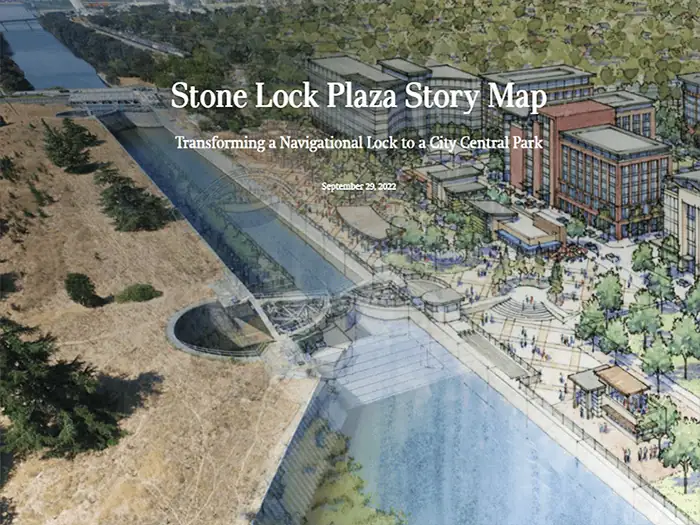
GIS interactive maps provide geographic context and enable users to interact with mapped data using geography and visualization to tell the redevelopment story, combining maps with multimedia content. They are an engaging tool for increased transparency, accountability, and public engagement in planning for sustainable places, such as brownfields, and show in real-time project updates, providing the public with a sense of accomplishment using the latest data.
StoryMaps help build trust and encourage ongoing engagement with diverse audiences by facilitating collaboration among teams, stakeholders, agencies, and the community. It allows them to understand and even contribute insights directly through the StoryMap. Documents become interactive narratives, making it easier for wider audiences to access and understand complex planning information while facilitating information sharing and feedback.
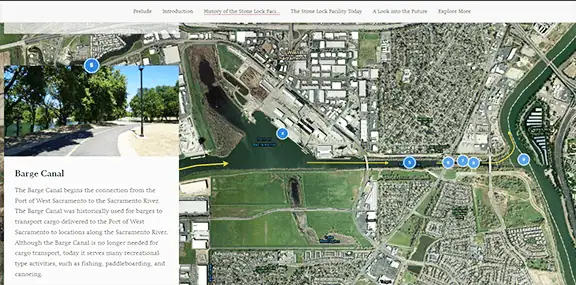
GIS can enable the integration of various data sets related to brownfield sites, such as contamination levels, environmental risks, and remediation plans. Use it as a project management tool to manage redevelopment projects by integrating spatial and attribute data. You’ll also build an archive of historical planning data, invaluable for long-term planning, due diligence, permitting, and analysis.
The StoryMap pictured above showcases successes and how the brownfield redevelopment provides economic opportunities to potential developers. They effectively communicate the positive impacts of brownfield redevelopment, such as job creation and increased property values. And this StoryMap highlights brownfields projects in EPA Region 5.
Where Can You Learn More?
At the 2025 Brownfields Conference in Chicago, learn the essential steps and considerations for creating an effective StoryMap, including the importance of assembling a skilled team, and discover how StoryMaps can revolutionize brownfield project communication and stakeholder engagement. Look for Megan Husic’s presentation Let Me Tell You a Story – Brownfields and StoryMaps.
Target audience: Brownfield managers, community involvement, environmental justice, developers, City Managers, brownfield grantees, private investors, local and state agencies.
About Megan Husic, CEM, is a Project Manager for SCS Engineers. She has over a decade of experience managing environmental projects, including Phase I and II Environmental Site Assessments, soil and groundwater sampling, drilling, and excavation oversight. Megan’s expertise includes managing EPA Brownfields investigation grants and working with multiple state grant and permitting agencies. She brings value to successful brownfields projects through her work and StoryMap expertise, well-received by EPA, local communities, stakeholders, and investors. If you’d like to reach out to Megan, please contact her at SCS Engineers, or on LinkedIn.

This 2025 National Brownfields Training Conference session explores the transformative role of Geographic Information Systems (GIS) in managing and communicating the complexities of brownfield projects. Kayla Ouellette delves into how GIS technology can be leveraged to enhance project planning, data management, and stakeholder engagement. Key topics she covers include an overview of the GIS environment, access to GIS software, and practical applications including site selection and ranking, demographic analysis, data management, and community outreach.
Kayla emphasizes the importance of starting with the end in mind, ensuring that GIS solutions are tailored to meet specific project needs and reporting requirements from the very beginning. By utilizing GIS, project teams will improve accuracy, efficiency, and communication, ultimately leading to more successful brownfield redevelopment efforts.
Learning Objectives of Transforming Brownfield Redevelopment with GIS:
 Kayla Ouellette is a GIS Manager at SCS Engineers. Kayla has over 10 years of experience creating innovative GIS workflows for environmental and solid waste projects. She is responsible for managing SCS’s GIS teams, providing internal training for staff, and collaborating with others across the company to implement GIS solutions for their projects. Kayla enjoys educating others on the applications of GIS and has presented at Florida SWANA, Florida Brownfields Association, and American Association of Geographers. She has a Master’s Degree in Environmental Science and Policy from the University of South Florida and resides in St Petersburg, FL.
Learn more about the 2025 National Brownfields Conference and brownfields funding:
Join SCS Engineers, Visionary Sponsors, at the California Land Recycling Conference (CALRC), hosted by U.S. Environmental Protection Agency (EPA) Region 9 and the CA Department of Toxic Substances Control’s (DTSC) Office of Brownfields in collaboration with the Center for Creative Land Recycling, from September 16-18 at the Carson Event Center in Carson, CA.
CALRC is the premier event for community, municipal, and redevelopment professionals focused on the beneficial reuse of underutilized and contaminated properties. CALRC provides the tools, training, and connections you need to create and capitalize on opportunities for revitalization.
Join SCS Engineers at the 2025 National Brownfields Training Conference at McCormick Place in Chicago, August 5–8, 2025.
Brownfields 2025 brings together professionals from government, industry, and the community to explore best practices for the remediation and redevelopment of brownfield sites. As the premier event focused on transforming contaminated properties into community assets, Brownfields 2025 offers more than 180 interactive sessions, mobile workshops, and networking events. Attendees will connect with peers and decision-makers, discover new resources and technical assistance, and explore the latest innovations in brownfields cleanup and sustainable redevelopment.
Stop by and visit SCS Engineers at Booth 314 to connect with our experts, learn more about our work in brownfields remediation, and explore how we help communities turn environmental challenges into revitalization opportunities. Don’t miss this opportunity to connect with SCS Engineers and the broader brownfields community in the heart of the Windy City – register now!
Look for these special presentations:
Let Me Tell You a Story – Brownfields and StoryMaps with Megan Husic, a Nevada Certified Environmental Manager and a Project Manager at SCS Engineers. Megan’s presentation explores the power of Geographic Information Systems (GIS) and ESRI StoryMaps in transforming how we engage with stakeholders and communities, particularly in the context of brownfield projects. StoryMaps is a dynamic tool that integrates maps with narrative text, images, and multimedia to create compelling and interactive stories. StoryMaps are valuable for educating the audience about Brownfields, showcasing the potential of Brownfields revitalization, providing background and current site information, and outlining plans and community benefits. Learn the essential steps and considerations for creating an effective StoryMap, including the importance of assembling a skilled team, and discover how it can revolutionize brownfield project communication and stakeholder engagement.
 Transforming Brownfield Redevelopment with GIS: A Comprehensive Approach with Kayla Ouellette, GIS Manager at SCS Engineers. Kayla’s presentation explores the transformative role of Geographic Information Systems (GIS) in managing and communicating the complexities of brownfield projects. Kayla delves into leveraging GIS technology to enhance project planning, data management, and stakeholder engagement. Key topics include an overview of the GIS environment, access to GIS software, and practical applications, including site selection and ranking, demographic analysis, data management, and community outreach. Her presentation emphasizes the importance of starting with the end in mind, ensuring that you tailor GIS solutions to meet specific project needs and reporting requirements. By utilizing GIS, project teams can improve accuracy, efficiency, and communication, ultimately leading to more successful brownfield redevelopment efforts.
Melissa Schick joins Alyssa Kuhn and Aditi Chakravarty of EPA, Richard Jenkins of Pasco County, FL, for a Topic Talk on Brownfields Challenges Created through Increasing Frequency and Intensity of Hurricanes. U.S. EPA Region 4 had a challenging hurricane season with Hurricanes Helene and Milton which made landfall on Florida’s Gulf Coast on September 26 and October 9, respectively. Helene’s total costs were $78.7 billion in damages and an estimated total of $59.6 billion in damage and needs were attributed to North Carolina, alone. When we add in other disasters such as wild fires, tornados, and floods the amount of debris to manage is a major challenge for states and the waste industry too.

Eric Williams is a trainer for the Brownfields University pre-conference training event, designed to provide a curriculum of core brownfield concepts and practices before the full educational program content. Eric will be providing his “Stack & Sequence – Strategically Using Multiple Sources of Brownfields Funding” training module, which is the subject of multiple papers and presentations. Public agencies and non-profits will benefit by learning how to best promote redevelopment through utilizing multiple capital sources.
Join us for a relaxed evening of networking, drinks, and city views as we celebrate our shared commitment to Brownfields Redevelopment. Taking place Thursday, August 7, 2025 from 7 – 9PM at the VU Rooftop Lounge.

Join SCS Engineers at the 13th Annual Georgia Brownfield Associations, Brownfield Seminar on April 16, 2025, at the Georgia Power Headquarters in Atlanta, GA! This event brings together industry leaders across development, legal, engineering, risk management, and economic development to discuss innovative solutions for cleaning and redeveloping contaminated properties. Whether attending in person or virtually, participants will gain valuable insights, connect with key stakeholders, and explore strategies for revitalizing communities across Georgia and beyond.
SCS Engineers’ Douglas Latulippe will be presenting on “Solar on Brownfields”. Don’t miss this opportunity to learn from top experts in the field.
Corporate Headquarters