Based on SCS’s free webinar Landfill and Facility Surface Fire Prevention and discussion with Jeff Phillips, SCS Engineers, and Ken Miller, Dubuque Metropolitan Area Solid Waste Agency.
Why do solid waste facilities need a surface fire plan?
Fires are common at landfills, transfer stations, material recovery facilities, composting areas, and related infrastructure. A surface fire plan helps facilities prepare before an incident occurs, define roles, coordinate with emergency responders, identify resources, and reduce confusion during an emergency. The goal is to fight fires safely, quickly, and effectively before they grow into larger incidents.
What is the biggest benefit of having a surface fire plan?
The biggest benefit is preparation. A plan allows facility staff and emergency responders to stay calm, understand their roles, and act quickly instead of trying to make decisions in the middle of an emergency. It also helps prevent fires from getting worse while teams determine what resources are needed.
What types of facilities can benefit from a surface fire plan?
Surface fire planning benefits landfills, transfer stations, material recovery facilities, composting operations, maintenance areas, fuel storage areas, and other solid waste facility infrastructure. Fires can occur in incoming loads, working faces, containers, equipment, structures, debris piles, and vehicles, so planning should address the full facility, not only the landfill cell.
What commonly causes fires at solid waste facilities?
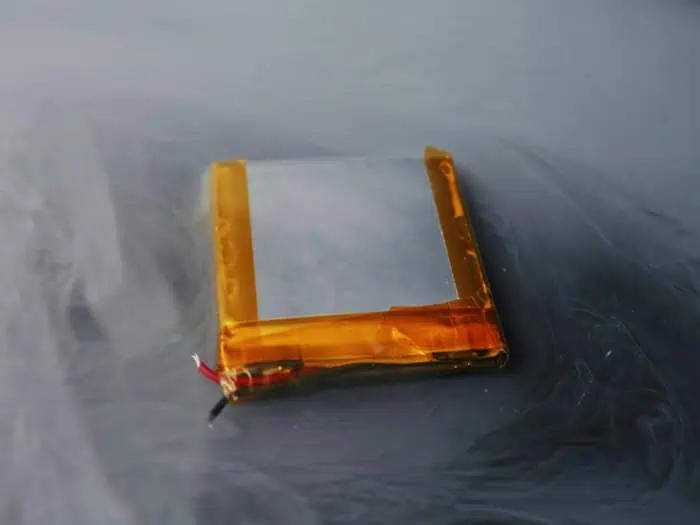
Common causes include chemical reactions between materials, sparks from equipment, arson, lightning, burn barrels, rekindled fires, rapid settlement, hot loads, incoming vehicles, and lithium-ion batteries or battery-containing devices. Vapes, phones, laptops, power tools, game controllers, battery packs, smoke alarms, and other devices with embedded batteries are an increasing concern because they can enter the waste or recycling stream unnoticed.
Why are lithium-ion batteries such a concern?
Lithium-ion batteries are increasingly embedded in everyday products and can ignite when damaged, crushed, compacted, or exposed to certain conditions. Because many battery-containing devices are small or difficult to identify in the waste stream, they can reach landfills, transfer stations, or recycling facilities before staff knows they are present. Outreach, source separation, collection programs, and policy solutions can help, but facilities still need fire response plans because not every battery will be captured.
What should be included in a facility fire plan?
A fire plan should describe the facility, identify immediate recommendations, include emergency contacts and vendors, provide current facility maps, outline likely fire scenarios, define roles and responsibilities, address the National Incident Management System, identify resources, and document health and safety considerations. Useful plans also include tear-out sheets, water supply information, access routes, utility shutoffs, communication channels, equipment needs, and after-action report procedures.
Why is coordination with the fire department important?
Fire departments may not be familiar with the unique risks of landfills, transfer stations, and material recovery facilities. Planning helps responders understand site access, working areas, water availability, facility hazards, landfill gas systems, confined spaces, heavy equipment, and command structure. It also gives facility staff and responders time to test communication systems, resolve interoperability issues, and agree on how they will work together before an emergency occurs.
How often should facilities train on their fire plan?
Training should occur regularly, not just when the plan is written or updated. The webinar emphasized annual training so new facility staff, paid fire department personnel, and volunteer responders can rotate through the program. Facilities should also conduct after-action reviews after fires and complete broader plan reviews every few years or when operations, equipment, risks, or response resources change.
What should facilities do after a fire?
Facilities should document what happened, complete an after-action review, identify what went well, determine what could improve, update the fire plan, and share useful lessons with responders and industry peers. Documenting even small fires can reveal patterns, identify problematic materials or generators, support better planning, and provide data for regulators, legislators, and industry organizations.
What resources should be identified before an incident?
Facilities should identify water sources, hydrant locations, tender operations, dirt or cover material stockpiles, equipment, lighting, fuel, radios, portable restrooms, traffic control, contractor support, and specialized services such as thermal imaging or aerial water support where applicable. For landfills, the webinar strongly recommended maintaining enough dirt near the working face at the end of each day to cover the area quickly if an overnight fire occurs.
What role does technology play in fire prevention and response?
Technology can help detect fires earlier and support faster response. Examples discussed include thermal camera systems, FLIR cameras, tower cameras, drones, automated detection systems, AI-powered identification systems, and automatic turret fire suppression systems. These tools can help confirm whether a fire is real, locate hotspots, guide responders, and keep fires smaller until the fire department arrives. Facilities should also maintain and test these systems so they do not create a false sense of security.
Are heat detection and automatic fire suppression systems useful for transfer stations and material recovery facilities?
Yes. Heat detection and automatic turret fire suppression systems can be especially valuable in enclosed or semi-enclosed facilities. Early detection and targeted suppression can keep a fire small, protect the building, and give the fire department time to arrive and complete suppression. These systems may also be useful to discuss with insurance carriers as part of a facility’s risk management strategy.
What PPE should landfill staff or equipment operators use during fire response?
Operator protection is a significant concern. Enclosed cabs and standard filters may reduce particulates, but they may not fully protect against smoke or organic compounds. The webinar discussed the potential use of powered air respirators with HEPA and carbon filtration, along with the need to make equipment available, train operators, and define when operators should disengage and obtain additional protection. Facilities should also consider decontamination procedures for equipment after a fire.
How should facilities handle health checks after a fire?
Post-event health checks should include both firefighters and facility operators. In the webinar, Ken Miller described adding operator health checks after a large fire in which an operator needed monitoring for smoke exposure and stress. Including operators in post-fire health screenings can help identify health concerns before staff leave the site.
What should facilities do about lithium battery recycling and public outreach?
Facilities should work with solid waste agencies, state regulators, manufacturers, retailers, and local partners to promote battery and battery-containing device collection. Outreach should clarify that “battery recycling” does not mean placing batteries in curbside recycling carts. Batteries and embedded battery products often need source-separated collection and special management to keep them out of waste and recycling streams.
How can policy help reduce facility fire risks?
Policy can support better management of batteries and battery-containing devices before they reach solid waste facilities. The webinar emphasized the importance of reviewing state legislation, advocating for extended producer responsibility or similar programs, and ensuring policies address both loose batteries and batteries embedded in products. Whether loose or embedded, batteries can create fire risks if they enter the waste or recycling stream.
What is the key takeaway for facility owners and operators?
Facility fires are a matter of when, not if. The best-prepared facilities document incidents, build relationships with responders, maintain current fire plans, train regularly, identify resources in advance, protect staff, and continuously improve after each event. Planning does not eliminate fires, but it helps teams respond faster, safer, and more effectively.
Corporate Headquarters