There is a high interest in organic materials management – composting – anaerobic digestion, which is being driven by emerging state regulations for diversion of organics from disposal facilities. SCS Engineers helps communities evaluate their waste streams and the applicability of established and emerging technologies to their specific communities and circumstances.
 The organic fraction of the municipal waste stream, which includes food scraps, yard waste, wood waste, and mixed paper is about 30 to 40 percent by weight. Many communities in recent years have been evaluating options for handling organics beyond the traditional approach of just supplying information about the benefits of backyard composting and leaf composting. Many state and local governments have begun promulgating policies and regulations that target the recycling of organics. This has prompted local solid waste agencies to develop municipal curbside collection programs. Once collected, organic waste can be composted or processed in an anaerobic digester.
There are two basic designs for windrow compost facilities. In the “turned windrow” approach, aeration is supplied by mixing or turning the windrow. In the “aerated static pile” approach, the piles are not moved. Pipes are installed at the bottom of the piles, which are then attached to blowers that introduce air into the piles to improve decomposition.
In-vessel composting systems are a higher technology approach, consisting of different proprietary systems that usually involve mechanical agitation and forced aeration, and may be enclosed in a building. These systems are the most capital intensive and result in the greatest level of process and odor control, as well as the shortest composting time required.
Anaerobic digestion (AD) involves the decomposition of organic waste in an oxygen-deficient atmosphere, which results in the production of methane-rich biogas. Digestate is the solid material that remains after digestion, which is then composted or is disposed. The biogas is typically used in a boiler to produce thermal energy or in an engine to produce electricity. AD projects are generally classified as high solids (dry) or low solids (wet).
High solids/dry systems are applicable for food and yard waste. Dry systems for food and yard waste generally use tunnels, which are gas-tight, concrete, garage-like chambers, and are loaded using front-end loaders. Low solids/wet systems are applicable for manure, sludges, and liquid industrial waste. Wet systems generally use vessels, which are mixed and are fed using pumps.
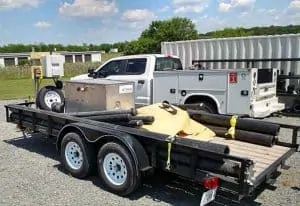 If you are unsure if composting is the right fit for your waste management needs, SCS has an Aerated Static Pile (ASP) Compost System and Pilot Program. The program helps you evaluate your organic waste streams, find out if it is a viable solution before you make a capital investment. Learn more about the ASP Compost Pilot Program.
SCS has been focusing on the organics materials management sector and has a staff devoted to staying current with the latest trends and technologies. SCS can evaluate and provide unbiased analyses on the approaches and technologies so that municipal officials can make informed decisions for their communities. Some of SCS’s recent projects in this field are shown at the right.
SCS Engineers provides individualized Organics Management services as well as turn-key solutions. Our services include the following:
Program Planning and Development
Design and Permitting
Construction
Operations, Monitoring, and Sales
Financial and Economic Analysis
Related Services
We believe our reputation is best described by our association with clients who choose SCS Engineers over other environmental engineering firms. SCS evaluates and provides unbiased analyses on approaches and technologies to help officials make informed decisions for their communities.
The following are projects are select examples of our wide range of Organics Materials Management experience using yard trimmings and/or food scraps as the feedstocks and the resulting products are compost or energy:
Opened in August 2021, the Otay Compost Facility is the first facility of its kind powered entirely by solar in the state of California, and it utilizes industry-leading compost cover technology. The new facility can process 100 tons of organic waste a day from the city of Chula Vista and customers in San Diego County and will expand to 200 tons daily by the end of the year.
USDA Composting and Food Waste Reduction Cooperative Agreements The U.S. Department of Agriculture (USDA) is accepting applications for Composting and Food Waste Reduction (CFWR) pilot projects for fiscal year 2024. … Continue reading USDA Grants