circularity
August 5, 2024
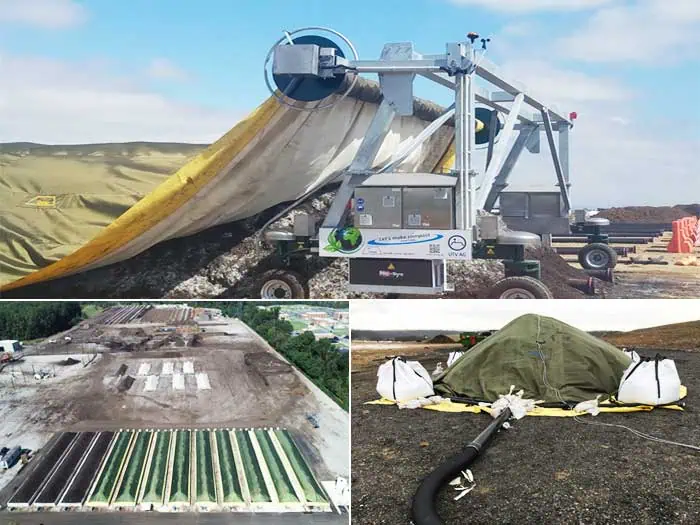
Municipalities, regions, and private companies are turning to organic composting to divert organic wastes from landfills and reuse them as feedstock for a high-quality compost by-product. While theoretically simple, there is a logical series of processes and parameters, some specific to each site, to reach the goals communities and solid waste management organizations hope to achieve.
Whether your community or region already has composting and is scaling to include food waste, or you want to establish a new composting facility or regional composting site, these free educational resources can help. The Southeastern Connecticut Regional Resources Recovery Authority’s proposed compost facility reflects a well-thought-out strategy that leverages circularity, advanced composting technologies, and engineering best practices to create a sustainable and economically viable operation.
SCRRRA’s Executive Director, David Aldridge, walks us through his proposed regional compost facility, which reflects a well-thought-out strategy that leverages advanced composting technologies and engineering practices to create a sustainable and economically viable operation. Greg McCarron, Professional Engineer, and Certified Compost Professional, discusses hybrid systems and incorporating rigorous process controls, resulting in a forward-thinking approach to composting at scale.
These free, non-commercial resources will help you appreciate and understand applying the science and practice of composting and what is critical to a successful site, design, permit, and manage composting programs that support circularity and operational efficiencies – creating value for all stakeholders.
 The Grand Slam of Composting Educational Resources:
- Video with Q&A Design, Siting, & Permitting of a Municipal Compost Facility
- Waste Advantage Article Designing a Sustainable Municipal Composting Facility
- Organics Waste Management Summit 2024
- WASTECON 2024
Helpful Composting Program Resources:
- USCC: The US Composting Council
- CREF: Compost Research and Education Foundation
- Organics Management
- EPA Grants
- Grants.gov
- Other Federal Agency Grants
- Other Relevant Grants
July 19, 2024
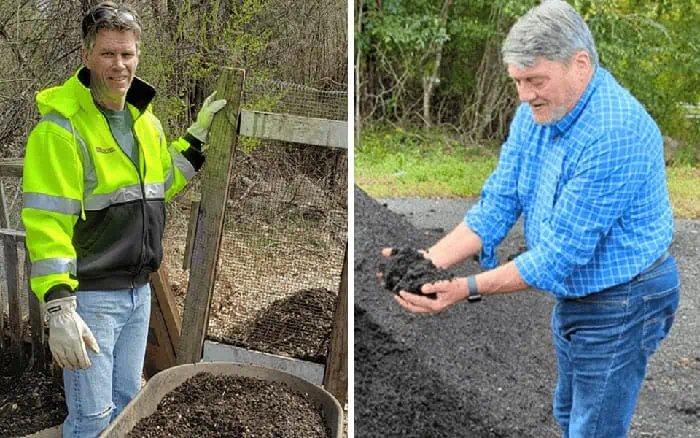
Why Are So Many Municipalities Interesting in Developing a Composting Program?
The composting industry is experiencing significant growth and evolution to help reduce the amount of organic waste placed in landfills. Solid waste departments across North America feel the strain of reducing and controlling methane emissions, saving valuable landfill space, managing solid waste costs, and creating sustainable solutions.
Municipalities, regions, and private companies are turning to organic composting to divert organic wastes from landfills and reuse them as feedstock for a high-quality compost by-product. While theoretically simple, there is a logical series of processes and parameters, some specific to each site, to reach the goals communities and solid waste management organizations hope to achieve.
Whether your community or region already has composting and is scaling to include food waste, or you want to establish a new composting facility or regional composting site, a free educational session entitled Design, Siting, & Permitting of a Municipal Compost Facility can help.
The Southeastern Connecticut Regional Resources Recovery Authority’s proposed compost facility reflects a well-thought-out strategy that leverages circularity, advanced composting technologies, and engineering best practices to create a sustainable and economically viable operation.
SCRRRA’s Executive Director, David Aldridge, walks us through his proposed regional compost facility, which reflects a well-thought-out strategy that leverages advanced composting technologies and engineering practices to create a sustainable and economically viable operation.
Dave with Greg McCarron, Professional Engineer, and Certified Compost Professional, discuss hybrid systems and incorporating rigorous process controls, resulting in a forward-thinking approach to composting at scale. Greg is available to answer questions about your program or starting a pilot program after viewing the webinar.
Participants and viewers will appreciate and understand applying the science and practice of composting and what is critical to successful site, design, permit, and manage composting programs that support circularity and operational efficiencies – creating value for all stakeholders.
Our experts field your questions during the live session, and we’ve captured the Q&A at the end of the presentation. SCS never shares or sells any contact information.
Learn More About Design, Siting, & Permitting of a Municipal Compost Facility
Watch Now
Helpful Composting Program Resources:
- USCC: The US Composting Council
- CREF: Compost Research and Education Foundation
- Organics Management
- EPA Grants
- Grants.gov
- Other Federal Agency Grants
- Other Relevant Grants
June 27, 2024
The composting industry is experiencing significant growth and evolution to help reduce the amount of organic waste placed in landfills. Solid waste departments across North America feel the strain of reducing and controlling methane emissions, saving valuable landfill space, and creating sustainable solutions.
Municipalities, regions, and private companies are turning to organic composting to divert organic wastes from landfills and reuse them as feedstock for a high-quality compost by-product. While theoretically simple, there is a logical series of processes and parameters, some specific to each site, to reach the goals communities and solid waste management organizations hope to achieve.
Whether your community or region already has composting and is scaling to include food waste, or you want to establish a new composting facility or regional composting site, a free educational session entitled Design, Siting, & Permitting of a Municipal Compost Facility can help.
The Southeastern Connecticut Regional Resources Recovery Authority’s proposed compost facility reflects a well-thought-out strategy that leverages circularity, advanced composting technologies, and engineering best practices to create a sustainable and economically viable operation.
SCRRRA’s Executive Director, David Aldridge, walks us through his proposed regional compost facility, which reflects a well-thought-out strategy that leverages advanced composting technologies and engineering practices to create a sustainable and economically viable operation.
Dave with Greg McCarron, Professional Engineer, and Certified Compost Professional, discuss hybrid systems and incorporating rigorous process controls, resulting in a forward-thinking approach to composting at scale.
Participants and viewers will appreciate and understand applying the science and practice of composting and what is critical to successful site, design, permit, and manage composting programs that support circularity and operational efficiencies – creating value for all stakeholders.
Our experts will field your questions during the live session, and we offer the ability to ask questions anonymously if you prefer. We ask that you register, but SCS never shares or sells any contact information.
Learn More About Design, Siting, & Permitting of a Municipal Compost Facility