Discover Why Retro-Commissioning is the Key to Sustainable Facility Performance
What Is Retro-Commissioning (RCx)?
Retro-commissioning is a systematic process for evaluating and optimizing the performance of existing buildings and their systems. Unlike initial commissioning, which is performed during new building construction, RCx focuses on improving existing equipment and systems in facilities that have been in use for some time. The goal is to ensure that the building continues to meet the needs of its occupants and operates as efficiently as possible.
Why Is RCx Needed?
Over time, buildings often stray from their original design intent due to changes in usage, aging equipment, and evolving operational requirements. This can lead to inefficient energy consumption, increased utility costs, and discomfort for occupants.
RCx addresses these issues by identifying operational problems, optimizing control strategies, and restoring peak performance, often with a quick payback period, making it a cost-effective choice for facility managers and owners.
Why Is RCx Often Overlooked?
Despite its proven benefits, RCx is frequently neglected. Many facility managers and owners focus on new construction or renovations, overlooking the potential hidden within their current assets.
Limited awareness, budget constraints, and misconceptions about RCx’s complexity can prevent organizations from pursuing these projects. RCx is typically cost-effective, with minimal disruption and often pays for itself in less than two years, reassuring facility managers and owners of its practicality.
When RCx Is Right for You?
Energy Consumption Has Increased
When evaluating energy use, look for gradual drifts or sudden changes. Year-over-year increases of 10% or more suggest operational issues RCx can resolve.
On the other hand, acute changes are marked by a sharp spike in energy consumption, which may then level off or continue to rise. These abrupt increases are usually easier to notice because they stand out more than gradual trends. Acute changes typically indicate that a major piece of equipment, such as a chiller or air handling unit, has suddenly begun operating differently. The root cause may be straightforward or require detailed investigation. What’s clear from such a dramatic rise in energy costs is that immediate attention is needed.
Multiple Operator Overrides
For most buildings, a building automation system (BAS) has been installed to provide a control scheme for the many components of a mechanical system responsible for building climate control and, in some cases, lighting systems. When a facility is newly built and properly commissioned, these controls should be operating efficiently.
However, over time, equipment performance can decline: dampers may break, sensors can drift out of calibration, and complaints from occupants about uncomfortable temperatures or unpleasant odors can surface.
Operations and Maintenance teams, already stretched thin managing a variety of urgent issues, rarely have the capacity to investigate the underlying causes in depth. So when a tenant calls, frustrated that a conference room is sweltering during a crucial meeting, the likely response is to override the setpoint. This quick fix ensures the room cools down, keeps the tenant satisfied, and allows the staff to move on to the many other tasks demanding their attention. However, the additional energy consumed will become noticeable over time.
Equipment Has Useful Life
One of the goals of RCx is to optimize building system performance and lower energy use by fine-tuning control sequences, operational routines, and maintenance practices—without incurring major costs for equipment replacement. For RCx to be effective, the existing equipment must be operating near its original design specifications. However, all equipment ages, and even well-maintained systems will eventually degrade to less-than-ideal performance. If the equipment is so worn out that it can no longer fulfill its intended purpose, there’s little that RCx can do to restore its performance.
For example, an HVAC condensing unit that’s been in service for three decades, with corroded coils and a persistent inability to maintain proper refrigerant temperatures even at full capacity. In such cases, the unit has surpassed its expected useful life, and replacement is likely the only way to achieve the desired comfort and efficiency, followed by commissioning of the new equipment to ensure optimal operation.
Conversely, if your system is only five years old and physically sound but is struggling to meet cooling demands or is running inefficiently, an RCx specialist can help diagnose and resolve the underlying issues, restoring the system’s performance.
The Benefits of RCx
RCx is more than just a maintenance strategy—it’s a proactive approach to unlocking long-term value in existing buildings. The numbers show: substantial savings, improved comfort, and a rapid return on investment make RCx a smart, sustainable choice for any facility owner looking to unlock their building’s performance.
Who Provides RCx Services?
While HVAC maintenance companies can offer some RCx services, choosing specialized energy engineering firms, mechanical contractors, or controls companies ensures effective results and gives facility managers and owners confidence in the process.
Selecting an RCx Provider: Building owners should look for businesses with proven experience in similar facility types and a track record of successful RCx projects. It is wise to request references, review case studies, and ensure the firm follows industry standards such as those set by ASHRAE or the Building Commissioning Association. Owners may also consider issuing a request for proposals (RFP) to compare qualifications, methodologies, and pricing among several firms before making a selection.
Additional Resources:
 About the Author. Tony Kriel is a Professional Engineer (PE) and LEED Accredited Professional (BD+C and O+M) with a Bachelor of Science in Mechanical Engineering from the University of Wisconsin, Madison. He serves as SCS Engineers’ National Expert on Facility Energy Management, with decades of consulting experience specializing in commissioning (Cx), retro-commissioning (RCx), ASHRAE Level I-III energy audits, and greenhouse gas/carbon-reduction services. Tony manages multiple large-scale projects exceeding 1 million square feet and works with diverse clients across the industrial, commercial, military, federal, state, municipal, and solid waste sectors. He has implemented and managed commissioning processes for various buildings, providing both fundamental and enhanced commissioning services aligned with the US Green Building Council’s LEED program. Feel free to contact our Author, Tony Kriel, with any questions or use LinkedIn.
“Dave Hostetter sets the example of how an honorable, dynamic, and experienced engineer acts at SCS,” said Paul Mandeville, Senior Vice President and Director of SCS’s offices on the east coast. “Dave serves as a model of what young professionals and students should strive to become in their professional careers; we are very proud of him.”
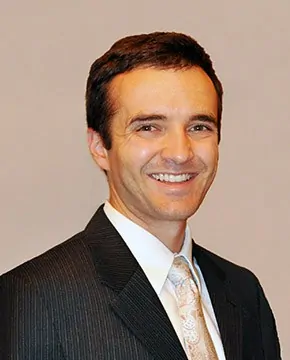
Dave Hostetter, a recent graduate of the SAME DC Post’s 2015 Leadership Lab was honored to receive the Society of American Military Engineers Honorable Mention for Outstanding Contributions by Young Civilian Member. Dave is a registered professional engineer, a LEED Accredited Professional (LEED AP) through the U.S. Green Building Council, and a Certified Energy Manager (CEM) at SCS Engineers.
Throughout his career he has focused on three things: using his engineering skills to make a difference in the world, serving his clients wholeheartedly, and mentoring others. These guiding principles have led him through many fields of engineering from HVAC and plumbing engineering to energy engineering to landfill gas engineering to controls system engineering.
From 2012 to 2013 Dave was the site project manager for a large retro-commissioning project of two hospitals in the Veterans Integrated Service Network (VISN) 3. More than 1,500,000 square feet of building space were retro-commissioned. Throughout this project, he worked diligently to identify hundreds of issues with the building HVAC systems and create recommendations for each one. His recommendations were projected to save the VA approximately $200,000 / year and have an average payback period of approximately 0.2 years.
In 2016 Dave engineered and installed a unique environmental monitoring system for a client at a port in New Jersey. The client had an air monitoring program which required them to monitor the air quality at six different points around the port on a daily basis. Their original process was time-consuming and was, therefore expensive. Dave engineered and installed a system of wireless sensors which communicate air monitoring data back to an online database. This online database allows the client to view current and historical data, it automatically generates a daily summary report, and it sends out alarms when one of the measured parameters exceeds its alarm setpoint. This new system has reduced the client’s expenditure on labor, saved costs and resources, and increased their ability to understand and respond to the results from their environmental monitoring system.
Dave mentors other young professionals at SCS by involving them in real life hands-on engineering projects. These projects include some sort of equipment installation or troubleshooting work which allows the young engineers to actually see how things are installed, ask good questions on how things work, get face-to-face time with a senior level engineer, and learn valuable lessons on risk and safety management in specific situations.
Dave’s expertise was developed as the result of SCS professionals taking the time to mentor him in the same manner, and his goal is to pass the learning technique and knowledge on to others.
Dave lives the SCS Engineers mission statement to:
Clients trust him for his honest and comprehensive approach to their challenges. Dave takes ownership of his work and puts in the time and effort to deliver excellent results and maintain a great relationship with his clients.
Congratulations, Dave!
“Even the best-designed, -built, and -maintained buildings waste energy. In fact, virtually all heating, ventilation, and air conditioning (HVAC) equipment, lighting, and building automation systems (BAS) compromise efficiency. Regardless of age, buildings over 50,000 square feet can benefit from a process called retro-commissioning (RCx),” writes Sam Cooke of SCS Engineers in Public Works Magazine.
Read the article: Public Works Magazine December 2015, print issue and online.
SCS Services offered to municipalities, hospitals, manufacturers, and businesses.
Corporate Headquarters