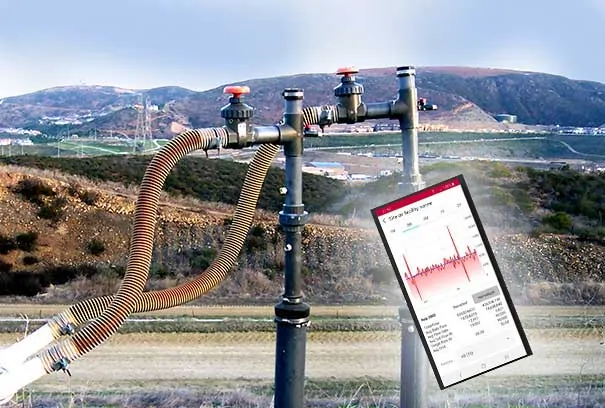
SCS Engineers’ newest environmental technology application is for use at solid waste facilities and landfills. These sites require specific monitoring and analyses of groundwater and liquids, landfill gas – LFG, and surface emissions critical to facility infrastructure and the environment.
 “We work side-by-side with our clients at hundreds of facilities nationwide. SCS MobileTools® supports operating decisions, whether our client is managing one site or hundreds,” states Pete Carrico, senior vice president and assistant director of SCS Field Services.” The App’s interface gives clients quick access to information that drives critical operating decisions and provides data for corporate directives and landfill gas OM&M programs for regional or national operations.
SCS MobileTools® is the iOS and Android mobile interface for the SCSeTools® platform. Access to data to make informed decisions is especially valuable when technicians are in the field, or operators are working remotely. Landfill and solid waste facility owners, operators, and technicians use the new application to observe system and environmental activity securely and in real-time on a mobile phone or device.
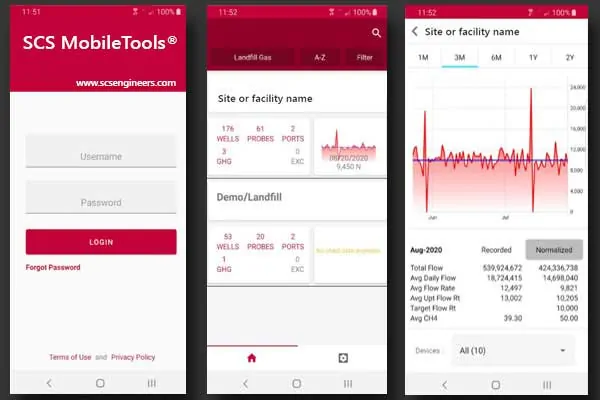
Featuring state-of-the-art technology, SCS MobileTools® provides users the ability to interact with a site or facility data, including site-specific monitoring and exceedance metrics for landfill gas, liquid levels, and surface emissions. Responsive, touch-enabled flow data charting is accessible, illustrating flow targets, reading dates, flow rates, and historical flow data analysis.
When compared year-over-year, generation and disposal trends produce information critical to assessing optimal options and solutions that represent significant savings for landfill gas Operations, Maintenance & Monitoring – OM&M programs. For this reason, the savings compound for regional or national operators.
For instance, monitoring and analyzing landfill gas generation and collection data against modeled estimates are valuable information. SCS MobileTools® handles the input, analysis, review, and export of landfill gas flow and related information, specifically flow rates, impacts on gas collection (e.g., extraction well liquid levels), and analytical data for data collection points.
In SCS’s release pipeline, SCS MobileTools® will include mapping and visualization functions in early 2021. SCS MobileTools® is available for download on the Apple App Store for iPhones and iPads, Google Play for Android.
SCS Engineers’ SCSeTools® platform and applications help facilities and companies operate more efficiently by continually gauging operational health and identify trends critical to operations and the environment.
SCS Technology Services®, the technology development practice within SCS Engineers, announces a new application for tracking and analyzing environmental data. The application expands the firm’s SCSeTools® platform, demonstrating its commitment to developing the most advanced data-driven technology in the environmental services industry.
Groundwater monitoring and compliance services are long-term and expensive responsibilities that generate enormous amounts of monitoring and laboratory data. SCS Groundwater™ is a tool to monitor and manage the data associated with operations and reporting requirements for various sites. Sites include active or closed landfills, plants, and impact sites such as former dry cleaners or industrial facilities.
The application also monitors and manages data effectively for clean groundwater applications such as groundwater basin management projects consistent with standard protocol under state and federal environmental compliance rules. SCS Groundwater™ collects and efficiently organizes groundwater monitoring and maintenance data providing those responsible for environmental compliance with a reliable, consistent, and cost-effective way to manage the large volume of information.
The application’s primary value is enabling users to set up a detailed monitoring plan for any number of events, including the sampling points to include and what analyses to perform at each point. Once the information upload is finished, the application checks incoming data against the plan to confirm all work is complete.
SCS Groundwater™ generates reporting components such as data tables, charts, graphs, and maps for compliance, reporting, and finding trends. For example, on a brownfield site, the compliance manager could upload historical monitoring data results, view the data trends over time, and then produce report tables and figures. Operators can also use the data in other applications for additional analysis or visualization.
SCS Engineers’ environmental solutions and technology directly result from our experience and dedication to industries responsible for safeguarding the environment as they deliver services and products. For information about SCS, visit the SCS eTools pages or enjoy our 50th Anniversary video to see the technology in action.
The SCSeTools® platform and applications help facilities operate more efficiently by continually gauging operational health and spot trends that help determine when and how to invest in infrastructure. Field staff, environmental compliance experts, brownfields, developers, and clients in the waste industry guide the technology designs. For additional information and demonstrations of these productivity-enhancing tools, please contact .

The events of 2020 have affected the economy, the way we conduct business, and even our social interactions. Now, more than ever, streamlining costs is key for public and private sector clients across the country. Enter groundwater monitoring projects.
Often overlooked as an opportunity to reduce costs, it’s an excellent place to start when examining the costly operational processes of a solid waste facility. Groundwater monitoring is often thought of as necessary for compliance requirements and overlooked when considering ways to reduce spending. However, the proactive review of all monitoring projects may offer monitoring reduction or even cessation opportunities.
SCS Engineers has successfully employed these strategies at several Florida landfills. For instance, in Marion County, the SCS team worked to get a cessation in landfill gas and groundwater monitoring at the Martel Closed Landfill. Hired to conduct routine post-closure monitoring, the team observed obvious trends in the data that were favorable to the County. If you consider that monitoring costs average $10,000 to $50,000 per year, the potential cost savings over ten years is $100,000 to 500,000.
Bottom line: you should take the initiative to ask a few simple questions to see if further examination is warranted. What if contaminants are naturally occurring? Is the data in the technical reports supporting conclusions that include reduction or cessation when appropriate? Are you simply meeting the minimum requirements of the permit without an eye on the future?
About the Author: SCS Project Director David Atteberry puts his 20+ years of environmental consulting and management experience to work for his clients. His technical experience includes geologic and hydrogeologic investigations involving hazardous waste, solid waste, environmental, and water supply. Dave’s technical areas of expertise include contamination assessments, remediation, site characterization, aquifer characterization, RCRA compliance, waste characterization, environmental due diligence, reserve budgeting, and field sampling techniques.
SCS Groundwater® collects and efficiently organizes groundwater monitoring and maintenance data providing those responsible for environmental compliance with a reliable, consistent, and cost-effective way to manage, view, and assess large volumes of information.
The application’s primary value is enabling users to set up a detailed monitoring plan for any number of events, including the sampling points to include and what analyses to perform at each point. Once the information upload is complete, the application checks incoming data against the plan to determine if all work is completed.
Efficient and consistent data collection means better quality control, fewer violations, and less costly operations. The application is a relational data management system specifically designed for groundwater management. Learn about more benefits here.
Across the industry, stakeholders agree the next few years will be critical in shaping how landfills deal with PFAS and how the public perceives it. Waste trade associations, scientists, and a host of organizations are in the midst of conducting a number of studies looking closely at the issue, PFAS treatment options, the positive impact of recycling, and regulatory policies.
While there are sites noted in the article, there’s no practical way for most companies and landfills to respond at this time responsibly. Additionally, landfills are unique; no two are alike. Most human exposure to PFAS occurs through contaminated food. The majority of landfill leachate is pre-treated at the landfill before going to a wastewater treatment plant, where additional treatment occurs before discharge.
According to EREF President Dr. Bryan Staley, in the article, “The relative impact of leachate as a human exposure pathway needs further evaluation to understand its relative degree of importance as it relates to health implications.”
Dr. Gomathy Radhakrishna Iyer, landfill leachate and design expert for SCS Engineers, said some operators are waiting to see what regulations may come even as they work on accounting for potential compliance issues and seeking solutions. “When the clients are thinking of upgrading their treatment plans, some are definitely taking into consideration PFAS treatment,” Radhakrishna Iyer said.
“You’re spending millions of dollars, you need to do your due diligence, right? At this point, consideration should be given to PFAS treatment during the feasibility stages,” she said.
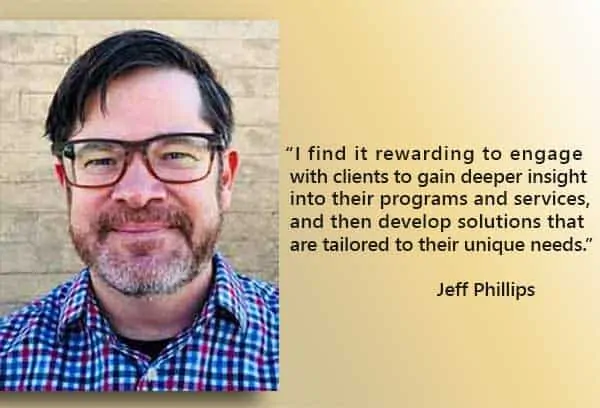
SCS Engineers welcomes Project Manager Jeff Phillips to the Clive, Iowa office. Jeff works with a growing number of solid waste management clients interested in integrating sustainable materials management into their solid waste master plans. The practice is widely known as Integrated Solid Waste Management, ISWM.
Jeff Phillips comes to SCS with over two decades of designing and implementing ISWM programs. His expertise includes a comprehensive list of individual tasks and services, including facilitating strategic planning and consensus-building sessions, performing waste and recycling industry market analyses, developing and presenting comprehensive financial plans to solid waste agencies, identifying, authoring, and managing federal and state grants. He also designs, performs, manages waste characterization analyses, authors and produces videos for training and education purposes, and is involved in community outreach events for solid waste agencies, city councils, and the public.
“Jeff provides innovative approaches to develop and strengthen programs and operations in Iowa,” said Christine Collier, senior project manager. “He fits right into our SCS philosophy of ensuring client success.”
Jeff is an active member of the Solid Waste Association of North America and the Iowa Society of Solid Waste Operations, where he previously served on the Board of Directors and Conference Planning Committee. He earned a Bachelor of Arts, Geography, and Environmental Studies from the University of Iowa.
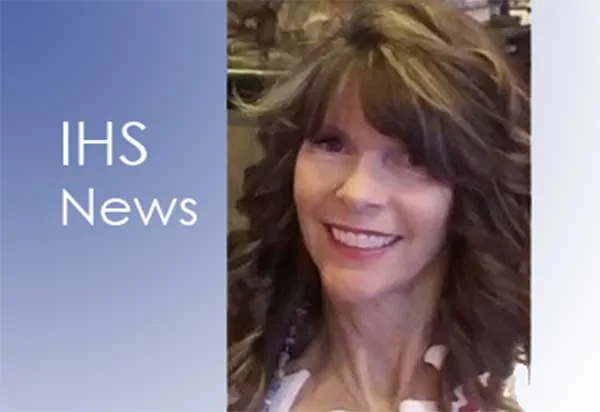
On Tuesday, November 10th, SCS Engineers announced the promotion of Sandra Ripplinger to Director of Health & Safety. Sandy will oversee all industrial health and safety guidance and training for the SCS employee-owners in her expanded role, reporting to the Board of Directors and Chief Financial Officer Curtis Jang.
Ms. Ripplinger is a Board Certified Industrial Hygienist (CIH) and Safety Professional (CSP) with three decades of experience providing occupational and environmental health and safety services. She is currently also a Project Director with SCS’s Environmental Health Services Practice in Henderson, Nevada.
Her experience includes providing industrial hygiene expertise for industrial facility health and safety audits, process safety management audits, training, environmental evaluations preventing worker exposure. “Sandy has done a great job strengthening our clients’ safety programs and evaluating the risks to prevent accidents,” said Curtis Jang. “She is a strong leader, and I’m confident she will guide our employees with ever-smarter Industrial Health and Safety (IHS) protocols.”
“I am looking forward to working with our team of business unit directors and IHS professionals, continuing to make improvements that benefit our staff and clients,” Ripplinger said. “Safety and industrial safety are an important part of people’s lives, and SCS is committed to continuing delivery of our services in line with legal compliance, industry guidelines, and our clients’ business needs.”
Complementing the Interstate Technology and Regulatory Council’s – ITRC, PFAS Technical and Regulatory Guidance, the website now has ITRC Per- and Polyfluoroalkyl Substances – PFAS, and Risk Communication Fact Sheets available. The site and updated content replace older fact sheets with more detailed information and useful for those who wish to understand the discovery and manufacturing of PFAS, information about emerging health and environmental concerns, and PFAS releases to the environment with naming conventions and federal and state regulatory programs.
SCS Engineers’ professionals recommend further reading to understand specific chemicals or subgroups of chemicals under study to comprehend PFAA behavior in the environment. There are appropriate tools to develop a site-specific sampling and analysis program and considerations for site characterizations following a PFAS release.
We combine ITRC resources and our own to compile an updated library that we hope you find helpful. You can always contact one of our local Liquids Management or Landfill professionals too.
PFAS Behavior in the Environment
PFAS Concerns
PFAS Evaluations
PFAS Remediation
The Interstate Technology and Regulatory Council (ITRC) is a state-led coalition working to reduce barriers to the use of innovative air, water, waste, and remediation environmental technologies and processes. ITRC documents and training can support quality regulatory decision making while protecting human health and the environment. ITRC has public and private sector members from all 50 states and the District of Columbia and is a program of the Environmental Research Institute of the States (ERIS), a 501(c)(3) organization incorporated in the District of Columbia and managed by the Environmental Council of the States (ECOS).
ITRC Goals
SCS Engineers
The International Solid Waste Association – ISWA, published a comprehensive report completed by SCS Engineers for ISWA under the Climate and Clean Air – CCAC, on reducing Short-Lived Climate Pollutants. A CCAC Solid Waste Emissions Estimation Tool – called SWEET, was used to investigate waste sector emissions of short-lived climate pollutants -termed SLCPs, and other greenhouse gases – GHGs.
Data was collected where multiple waste management scenarios in Tyre Caza, Lebanon. Publications on waste management in Lebanon, including an Integrated Waste Management Plan and Updated Master Plan for the closure and rehabilitation of uncontrolled dumpsites throughout Lebanon, provided data that were used in this study along with updated information provided by Lebanon’s Office of the Minister of State for Administrative Reform.
Different management options for reducing emissions of SLCPs over the short- and medium-term. Comparing emissions reductions achieved by implementing a range of programs over a meaningful time horizon provide greater clarity of vision to see which strategies produce the most climate benefits and are worth a high level of effort and the commitment of resources to achieve.
SWEET is designed to be used by solid waste planning professionals worldwide. It allows some degree of flexibility in selecting key inputs, which gives it greater control and ability to reflect local conditions but adds a level of complexity that may be difficult for some users to navigate. While offering users control of some model assumptions, SWEET includes many calculations and assumptions that are necessarily fixed and can produce unintended results given the model’s limitations. In addition, the assignment of input data that appropriately reflects actual and expected conditions can be challenging, especially when there is a large amount of information to be considered.
The reports on solid waste management in Lebanon and Tyre Caza following the waste management crisis provided multiple sources of data that required evaluation and processing before being used in SWEET.
Click here to read, share, and download the report, ESTIMATION OF WASTE SECTOR GREENHOUSE GAS EMISSIONS IN TYRE CAZA, LEBANON, USING THE SOLID WASTE EMISSIONS ESTIMATION TOOL (SWEET)
ISWA and CCAC will be sponsoring a training workshop on the use of SWEET in the future. For advice and guidance using SWEET contact Alex Stege, SCS Engineers Senior Project Advisor, and Expert on Landfill Gas Modeling.
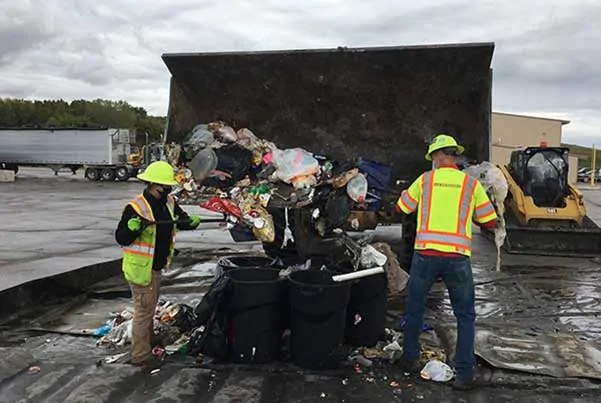
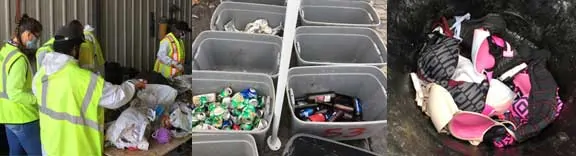
SCS Engineers, in partnership with the Wisconsin Department of Natural Resources – WDNR, is performing a waste sort to determine what’s in the trash going into Wisconsin’s landfills. During the waste audit, SCS will collect at least 200 samples of waste from 12 waste disposal sites across the state for eight weeks.
Solid waste, recycling, and diversion planners need to differentiate between the composition and sources of waste to appropriately manage recycling and diversion programs. These programs help citizens and businesses make the most out of their waste material and help control the cost of waste management.
Waste diversion can positively impact communities’ environmental health, reduce the potential for soil and water contamination, and conserve resources while reducing landfill operation costs. Municipal solid waste, called MSW, typically contains valuable materials. The cost of manufacturing using virgin materials increases, but technology creates new avenues for reusing materials formerly thrown away. The pandemic has influenced what we are consuming and where we dispose of wastes, from home or the office, influencing materials markets.
WDNR uses the waste audit data to evaluate current waste diversion programs’ effectiveness to identify and quantify additional materials that Wisconsin could divert from its landfills and serve as a baseline to measure future efforts. By comparing the new data to a previous waste composition study, WDNR can measure the impact of existing recycling and hazardous waste management programs. The comparison further helps identify waste generation trends and how the waste stream is changing.
The waste characterization study separately analyzes the waste stream generated from various sources, including residential, industrial/commercial/institutional, construction & demolition. For solid waste, recycling and diversion planners, it is vital to differentiate waste sources to target programs properly.
All of this helps make recycling more effective and identifies ways to reduce and reuse a large percentage of what is landfilled.
Many items we throw away have continued value. Cell phones and electronics contain valuable materials, like gold, for example. Cardboard is exceptionally valuable now, as citizens and businesses are taking more deliveries at home. Organics such as food and yard waste can turn into compost. Aluminum and steel cans can be recycled over and over again to make new cans. According to the Aluminum Association’s Can Committee, making a new can from recycled aluminum takes 95% less energy and releases 95% fewer greenhouse gases than creating the same can without recycled material.
 Betsy Powers is a Senior Project Manager and Civil Engineer in the SCS Madison, Wisconsin office. She has more than 22 years of civil and environmental consulting experience, including landfill design, permitting and construction, C&D and yard waste management, material recovery facility design and erosion control, and stormwater management. She serves on the Associated Recyclers of Wisconsin Board of Directors. Betsy is a registered professional engineer in Wisconsin.
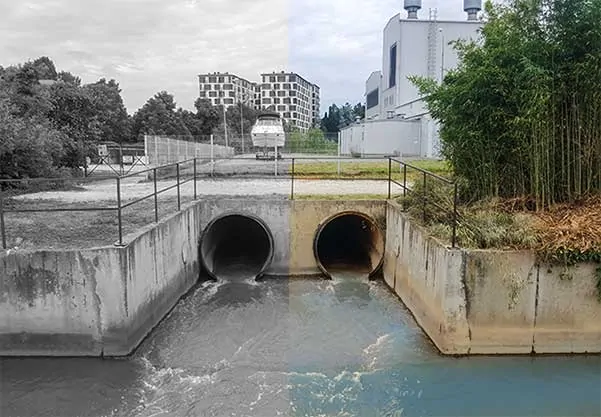
Industrial stormwater discharge regulatory compliance defined by the National Pollutant Discharge Elimination System – NPDES, and the Federal Multi-Sector General Permit – MSGP, slated for implementation in January 2021, will affect state Industrial General Permits. In the states where the EPA is the regulating body (New Mexico, New Hampshire, and West Virginia), the impact will be immediate.
California on the Rise, by Jonathan Meronek and Alissa Barrow, discusses the emerging general commonalties of “lessons learned” that can help dischargers successfully manage their stormwater programs.
Jonathan and Alissa explain best practices that help businesses understand and prepare ahead of the expected changes. The strategies can streamline preparation and response to minimize risk and help prevent fines and lawsuits.
About the Authors: Jonathan Meronek is a State of California IGP Qualified Industrial Stormwater Practitioner – QISP. With SCS Engineers for over 17 years, he leads Stormwater Management in the Southwest U.S. Alissa Barrow has 10 years of experience as an environmental professional specializing in environmental assessment, remediation, and compliance. Find a stormwater professional near you.
Learn more:
Corporate Headquarters