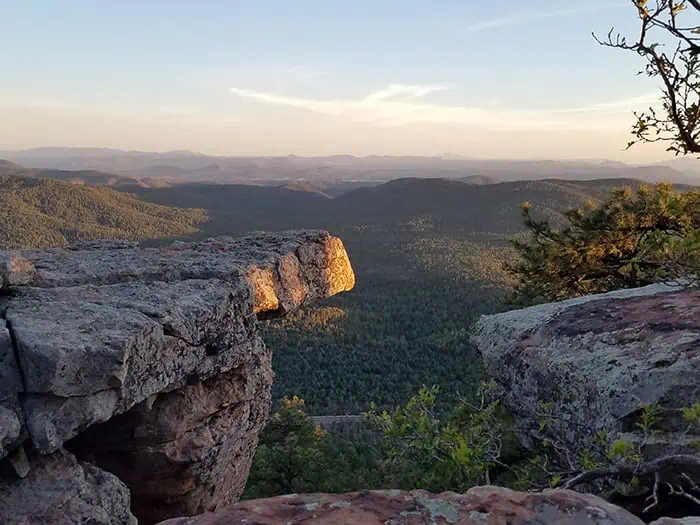
When a land trust, public agency, or community partner works to preserve open space, the public often sees the result: protected habitat, new recreational access, or cultural resources safeguarded for future generations. Less visible—but just as important—is the environmental due diligence that happens behind the scenes.
Environmental site assessments, All Appropriate Inquiries, and remediation planning help buyers and public-sector partners understand a property’s history, identify potential environmental liabilities, and determine whether land can be safely transferred, conserved, restored, or opened for public use.
Conservation Begins with Knowing the Land
Recent projects in Arizona show how environmental due diligence supports land preservation. SCS Engineers has conducted five Phase I Environmental Site Assessments for Trust for Public Land in recent years, helping evaluate environmental concerns before real estate transactions move forward. These assessments found no need for additional assessment, supporting preservation efforts that include culturally and ecologically significant land along the Lower Gila River and acreage connected to Saguaro National Park.
That early review matters because public land acquisitions often involve properties with long and complex histories. Former agricultural, ranching, industrial, mining, or developed sites may carry environmental questions that must be answered before a nonprofit, municipality, federal agency, or other public entity assumes ownership or stewardship responsibilities.
Environmental Due Diligence Reduces Risk and Supports Public Trust
Environmental due diligence is more than a transaction requirement. It is a practical risk-management tool that helps protect public dollars, project schedules, and long-term stewardship goals. Through Phase I Environmental Site Assessments and All Appropriate Inquiries, environmental professionals review historical records, inspect properties and adjoining land, evaluate regulatory records, and identify recognized environmental conditions that could affect acquisition, funding, liability, or future use.
For land trusts and public agencies, this process helps answer critical questions: Is the property suitable for transfer? Could contamination create unexpected cleanup costs? Are additional investigations needed? Can the buyer qualify for landowner liability protections? The answers help decision-makers proceed with confidence and avoid turning a conservation win into an unmanaged environmental obligation.
Environmental Due Diligence Resources: