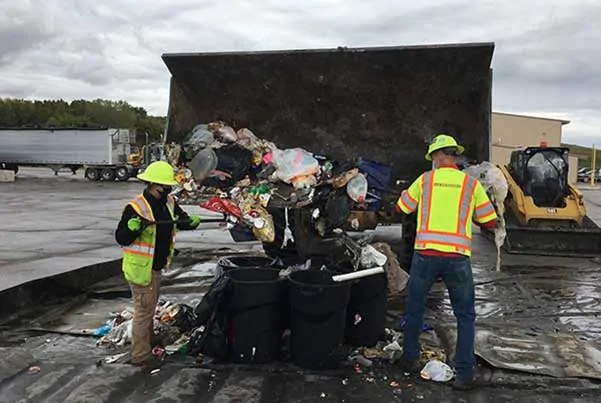
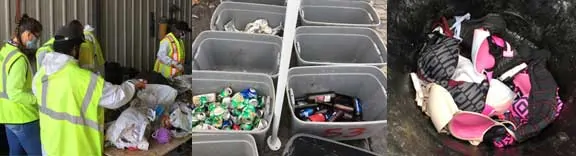
SCS Engineers, in partnership with the Wisconsin Department of Natural Resources – WDNR, is performing a waste sort to determine what’s in the trash going into Wisconsin’s landfills. During the waste audit, SCS will collect at least 200 samples of waste from 12 waste disposal sites across the state for eight weeks.
Solid waste, recycling, and diversion planners need to differentiate between the composition and sources of waste to appropriately manage recycling and diversion programs. These programs help citizens and businesses make the most out of their waste material and help control the cost of waste management.
Waste diversion can positively impact communities’ environmental health, reduce the potential for soil and water contamination, and conserve resources while reducing landfill operation costs. Municipal solid waste, called MSW, typically contains valuable materials. The cost of manufacturing using virgin materials increases, but technology creates new avenues for reusing materials formerly thrown away. The pandemic has influenced what we are consuming and where we dispose of wastes, from home or the office, influencing materials markets.
WDNR uses the waste audit data to evaluate current waste diversion programs’ effectiveness to identify and quantify additional materials that Wisconsin could divert from its landfills and serve as a baseline to measure future efforts. By comparing the new data to a previous waste composition study, WDNR can measure the impact of existing recycling and hazardous waste management programs. The comparison further helps identify waste generation trends and how the waste stream is changing.
The waste characterization study separately analyzes the waste stream generated from various sources, including residential, industrial/commercial/institutional, construction & demolition. For solid waste, recycling and diversion planners, it is vital to differentiate waste sources to target programs properly.
All of this helps make recycling more effective and identifies ways to reduce and reuse a large percentage of what is landfilled.
Many items we throw away have continued value. Cell phones and electronics contain valuable materials, like gold, for example. Cardboard is exceptionally valuable now, as citizens and businesses are taking more deliveries at home. Organics such as food and yard waste can turn into compost. Aluminum and steel cans can be recycled over and over again to make new cans. According to the Aluminum Association’s Can Committee, making a new can from recycled aluminum takes 95% less energy and releases 95% fewer greenhouse gases than creating the same can without recycled material.
 Betsy Powers is a Senior Project Manager and Civil Engineer in the SCS Madison, Wisconsin office. She has more than 22 years of civil and environmental consulting experience, including landfill design, permitting and construction, C&D and yard waste management, material recovery facility design and erosion control, and stormwater management. She serves on the Associated Recyclers of Wisconsin Board of Directors. Betsy is a registered professional engineer in Wisconsin.
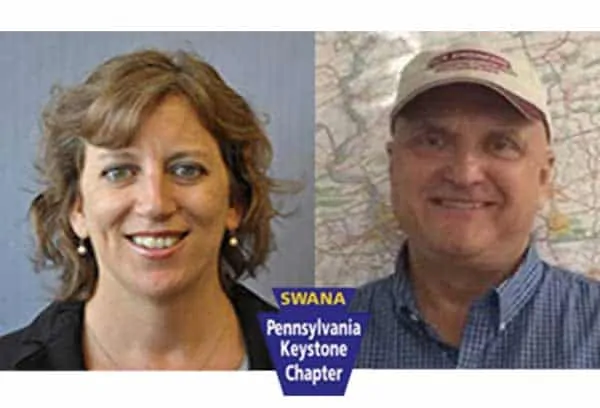
President, Michele Nestor
Vice President, Denise Wessels
Secretary, Tom Lock
Treasurer, Matthew Foltz
Private Sector Directors: Jill Hamill, Carolyn Witwer
Public Sector Directors: Scott McGrath and Scot Sample
Young Professionals Director: Brandon Comer
Chapter International Board Member: Robert Watts
The Solid Waste Association of North America – SWANA organization is comprised of public and private sector professionals committed to advancing solid waste management, safety, and resource management through their shared emphasis on education, advocacy, and research. Keystone SWANA serves industry professionals through technical conferences, certifications, publications, and a large offering of technical training courses which in turn keep our communities and environmental resources healthier.
In lieu of the 2020 Joint Solid Waste and Recycling Conference scheduled for October 28-30, SWANA is offering educational sessions as a webinar series with CEUs available from August through November. Register for just a few or pay one flat fee to participate in as many as you would like.
This week’s Webinar is on Thursday, September 10 at 10:00 am ET, 1 CEU.
Webinar Schedule and Registration
SCS Engineers is known for sharing best practices, and now we’re expanding our video library online in the SCS Learning Center. Our first video is for Solid Waste Managers and Departments struggling to keep their programs funded, especially recycling.
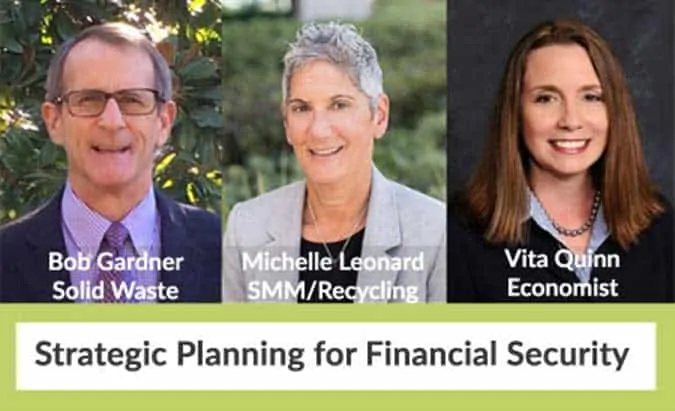
Strategic Planning for Financial Security is an educational video providing insight into the relationship between solid waste strategic planning and financial security. Less than 30-minutes and available for association events with Q&A.
The video discusses strategies that are useful when developing a business case analysis for SMM, recycling, or composting programs. The process also helps you identify opportunities to increase efficiency and reduce operating costs; design a Capital Plan and secure support for rate increases.
Moderated by Bob Gardner, Michelle Leonard starts with an overview of the effect of the pandemic on recycling programs, state regulatory policy, and funding challenges.
Vita Quinn presents a financial modeling scenario employing financial modeling and solid waste facility software packages to help decision-makers visualize the impact of various alternatives on the planning process. The model is helpful when planning scenarios for budgeting and testing alternative outcomes regarding future solid waste policies, strategies, and funding.
The model is especially useful for cost-benefit analysis of alternatives, fine-tuning strategies as more detailed information and data become available, or when revenue streams or funding levels change following natural disasters, pandemics, market swings, or economic downturns.
SCS Management Services® offers financial sustainability with preventative solutions and long-term financial management plans to public agencies facing environmental and market challenges, shifting regulations, and those aiming for new clean energy goals. Utilities and public-sector organizations provide life-sustaining services to their citizens and communities; providing these services while managing budget constraints; reporting, compliance, and operational challenges; and maintaining affordable rates. We support agencies and companies responsible for managing solid waste, stormwater, wastewater, brownfields-remediation, and energy programs that require integrated skill-sets and financial sustainability for optimal value.
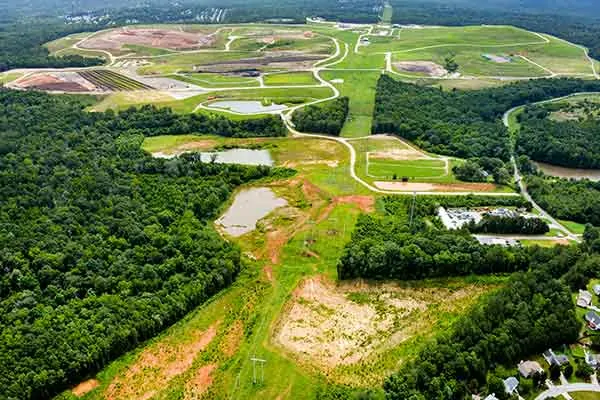
Being a landfill operator or owner is a demanding job. Your position requires knowledge of engineering, biology, chemistry, business, technology, and psychology. Most people don’t realize the complexity of landfill operations and the systems, personnel, and equipment that keep everything in balance. That’s okay; it’s part of the job too. The public generates trash, and it is picked up, reused, recycled, or landfilled as communities dictate.
Right now, landfill operations are more challenging than ever – so we’re providing a bit of help from our SCS website library. We hope it helps, but you can always reach out to your project manager for additional assistance.
Strategies for EPA Regulation Limbo
Landfill owners and operators remain in a state of regulatory limbo. Some sites are complying with the New Source Performance Standards (NSPS) under Subpart XXX and dealing with the duplicate requirements from Subpart WWW and other issues. Several states have approved Subpart Cf Emission Guidelines (EG) rules, so landfills in those states must begin to comply with those state rules. Several other states have proposed state plan approvals and could see approved EG rules issued soon, as in Virginia. When EPA issues the federal plan for the EG, all of the remaining landfills in states without approved state plans will have to start to comply. This will put all NSPS/EG-applicable landfills into the same boat with the existing Subpart XXX sites. In addition, landfills are figuring out how the new National Emission Standards for Hazardous Air Pollutants (NESHAPs) rule overlays on top of the NSPS/EG requirements.
During this period of limbo, where multiple overlapping regulations exist, certain public and private landfill owners within the solid waste industry have endeavored to take a unified and consistent stand on compliance strategies with guidance coming from the Solid Waste Association of North America (SWANA) and the National Waste and Recycling Association (NW&RA). Gabrielle Stephens, Cassandra B. Drotman, and Patrick Sullivan of SCS provide a regulatory update and compliance strategies in their paper Uncertainty EPA has Created with New NSPS XXX and Cf Rules
Staff Shortages and Funding Dilemmas
Many of our clients are in their annual budget period. Needless to say, nearly all municipalities have concerns about the upcoming fiscal year expectations and anticipated medium-term impacts of COVID-19 on local government operations and revenue streams. They have shared goals to:
In response, our team of economists is helping our clients prepare for Fiscal Year 2020/2021, with a Micro-analysis for the near-term (1-2 year) budget/operational impacts. It’s free, and you’ll get results in 2-3 days.
SCS is offering free webinars to discuss revenue diversification alternatives, realistic cost projections, and funding opportunities. We will announce the first webinar in the next week, but if you’d like to get started now contact the SCS Management Services® Lead here for a private session.
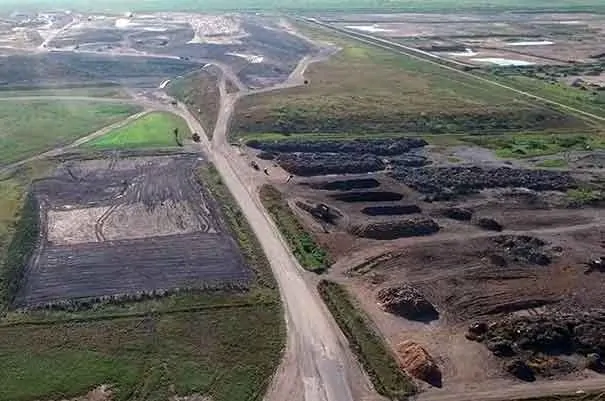
On July 7, 2020, the City of Brownsville Commission approved a recommendation by the Engineering and Public Works Department to continue an existing multi-year partnership with SCS Engineers. SCS is an environmental consulting and contracting firm that will serve the City for an additional five years. The environmental contracts support the Landfill Gas Collection and Control System (GCCS) expansion and provide landfill engineering, compliance, monitoring and operations assistance.
Project Director, J. Roy Murray, an SCS vice president, and the team’s principal consulting engineer will continue to serve the City’s citizens and staff. Mr. Murray has decades of experience in civil and environmental permitting, design, and construction at municipal solid waste landfills (MSW), including 20 years serving the Brownsville Landfill. Mr. Murray states:
The City staff and Commission continues to entrust SCS Engineers to help the landfill staff with the safe, efficient, and compliant operation of the landfill. We are honored by their trust. The City of Brownsville MSW Landfill Operations team serves the City well. The facility is the primary solid waste disposal site for surrounding communities, carefully engineered and maintained regularly even during severe weather and now a pandemic. The forethought of the Landfill Division, their leadership, and innovative practices provide the citizens with stellar services while protecting the environment.
The initial installation of the City Landfill’s Gas Collection and Control System (GCCS) completed in 2011, was part of an Energy Efficiency and Conservation Block Grant the City received from the American Recovery and Reinvestment Act of 2009. SCS Engineers assisted with the application process, and as a result of the collaboration, the City received a $1.7 million grant to install a landfill gas collection system at the landfill. With GCCS operation, the City has reduced its greenhouse gas emissions. The landfill infrastructure and emission reductions were voluntary at the time, but the Texas Commission on Environmental Quality (TCEQ) Air Quality rules and regulations, and EPA’s New Source Performance Standards, now require them.
The Gas Collection and Control System consists of 16 landfill gas extraction wells and currently provides coverage of 32 acres of the City Landfill’s disposal footprint. The City plans to expand the GCCS during 2021, to support landfill’s growth and stricter air permit regulations. The expansion includes 38 additional wells covering 120 acres of the landfill footprint. The new wells will integrate with the collection system and integrate with liquids management, leachate control, and stormwater systems, among others.
About SCS Engineers
SCS Engineers’ environmental solutions and technology are a direct result of our experience and dedication to solid waste management and other industries responsible for safeguarding the environment. For more information about SCS, please follow us on your preferred social media channel, or watch our 50th Anniversary video.
An American Public Works Association (APWA) publication,
No single waste management approach is suitable for managing all materials and MSW streams in all circumstances. The USEPA hierarchy places emphasis on reducing,
reusing, and recycling as key to sustainable materials management. Citizens and elected officials are often surprised how technically complex solid waste management is, and once aware of the basics they better understand the associated costs. Responsible Solid Waste Management with colorful infographics and easy-to-grasp explanations, helps readers understand solid waste management from beginning to end.
The concept of integrated solid waste management is increasingly being used by states and local governments as they plan for the future. This management practice includes the source reduction of certain MSW streams and the recovery of generated waste for recycling or composting. It also includes environmentally sound management through combustion with energy recovery and landfilling practices that meet current standards or newly emerging waste conversion technologies.
Available on the APWA website or reach Michelle Leonard (co-author) or an MSW engineer nearby contacting SCS Engineers at .
Learn more about Sustainable Materials Management here.
Matt Brokaw, P.E. joins the SCS Engineers new office at 3801 Lake Boone Trail, Suite 430, Raleigh, NC 27607, Tel: +1-919-662-3015
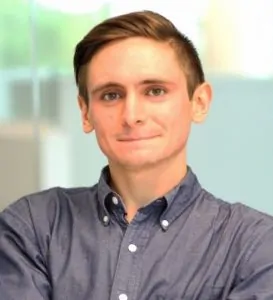
SCS Engineers, a top-tier ENR environmental consulting and construction firm, opened a larger office in Raleigh, North Carolina, in late May. The move centralizes the team closer to their clients’ sites to provide full-services. The new office accommodates new team members, including Matt Brokaw. Matt joins the SCS professionals who provide environmental services for solid waste management for the benefit of municipal and private landfills, public works, and recycling.
As a Senior Project Professional, Matt is responsible for the engineering and design of environmental solutions, with a primary focus in solid waste, stormwater management and planning, and erosion and sediment control critical to permitting compliant facilities and ultimately protecting natural resources. Extending the life of a landfill and adding airspace is often critical for the communities SCS clients serve.
The new SCS Raleigh location supports the growing demand for full-service environmental solutions supported by a mix of professionals. As specialized teams, they can help reduce greenhouse gas emissions, capture landfill gases, create renewable energy from by-products, and optimize utilities and businesses using environmental practices that are economically feasible. The firm specializes in permitting for and meeting comprehensive clean air, water, and soil goals. It provides a range of services such as PFAS treatment, solid waste master planning, landfill technology, risk management, groundwater monitoring, pre-closure and landfill closures, and Brownfields remediation.
About SCS Engineers
SCS Engineers’ environmental solutions and technology are a direct result of our experience and dedication to solid waste management and other industries responsible for safeguarding the environment. For more information about SCS, please visit our website at www.scsengineers.com/, contact , follow us on your preferred social media, or watch our 50th Anniversary video.
Lindsey is an employee-owner at SCS Engineers on the solid waste management team performing Construction Quality Assurance – CQA and reporting for field projects, as well as OM&M on landfills and assisting with landfill reporting and compliance.
Lindsey earned her BS in Soil and Waste Resources—Waste Management from the University of Wisconsin—Stevens Point in the Summer of 2018. She currently serves on the SWANA Badger Chapter Board and is co-YP Liaison, plus participates in SCS’s Young Professionals program.
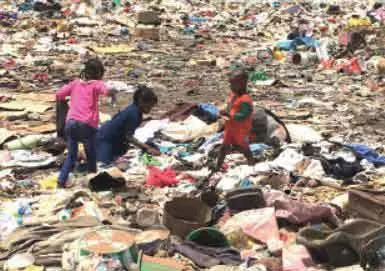 Lindsey recently published an article Finding Solutions for an Open Dumpsite: Solid Waste in The Gambia in the April edition of the Badger Chapter YP Newsletter.
The Gambia, is a tiny sliver of a country in West Africa, has a population of just under 2.5 million. About a fourth of the country’s population is under the jurisdiction of the Kanifing Municipal Council (KMC) – the most densely populated area of The Gambia. The people and leadership of the Kanifing municipality are united in their desire to have positive changes in solid waste management in the community and at the Bakoteh dumpsite. Ideally, solving the problem will implement a means of positive change for many aspects of the KMC citizens’ lives.
 Outside of work, Lindsey is a self-described “bird nerd” who has two parrots: A Green Cheek Conure (7 years old) and a Yellow-Naped Amazon (34 years old). She often volunteers at Feathered Friends Sanctuary and Rescue where they provide care for around 65 surrendered parrots.
Municipalities and their private sector partners will experience high costs, especially in residential collections to cover all of the costs incurred as workers transition to working from home. FEMA can help protect public health and safety by committing to cover the costs of essential services provided that aren’t paid by the service recipients.
The National Waste & Recycling Association (NWRA), and the Solid Waste Association of North America (SWANA) have both sent letters to Federal Emergency Management Agency (FEMA) Administrator Peter Gaynor requesting that the agency establish a system to compensate the waste and recycling industry for providing services to protect public health and safety that otherwise would go unpaid during the COVID-19 outbreak.
NWRA says it also shared copies of the letter with Vice President Mike Pence, who is leading the nation’s COVID-19 response task force, and the House Subcommittee on Emergency Preparedness, Response and Recovery, which has oversight of FEMA.
Solid waste management is identified as an essential critical infrastructure workforce in the Department of Homeland Security’s Cybersecurity & Infrastructure Security Agency’s (CISA) March 19, 2020 memo, and has been listed as essential in every emergency order issued at the state level in response to the COVID-19 pandemic, and in city and county responses as well.
“Providing these essential services to those unable to pay as a result of economic hardships caused by COVID-19 while continuing to employ the workforce needed to support such an effort will require assistance,” NWRA President and CEO Darrell Smith writes in the NWRA letter.
“Since both the public and private sectors collect and manage solid waste and recyclables, SWANA’s letter asserts that all sanitation departments, haulers, and post-collection companies providing services during the COVID-19 pandemic without being paid for them should be eligible for reimbursement,” said SWANA Executive Director and CEO David Biderman.
Darrell Smith points out that FEMA can establish a vehicle under disaster debris management plans or by other alternative direct compensation means as selected by the agency to compensate the waste and recycling industry for providing uncompensated services to protect public health and safety during this time of national emergency.
Both NWRA and SWANA specifically ask for funding to cover services provided in the U.S. related to customer bad debt and other uncompensated costs incurred for services being provided to the public during the national emergency.
Corporate Headquarters